

The final leg of the road trip took me two hours south of Phoenix to Tucson, gateway to the frontier. Said to be a land where only the most foolhardy dared to tread, monuments to humankind’s perseverance can be found across its arid landscape.
Due south of the city, close to the Mexican border, Tumacácori National Historic Monument lays bare the struggles of early settlers within the region. A Jesuit and later Franciscan Mission, its crumbling bell tower is a symbol of hasty retreat. While only in operation for a short period, skirmishes were a common occurrence.
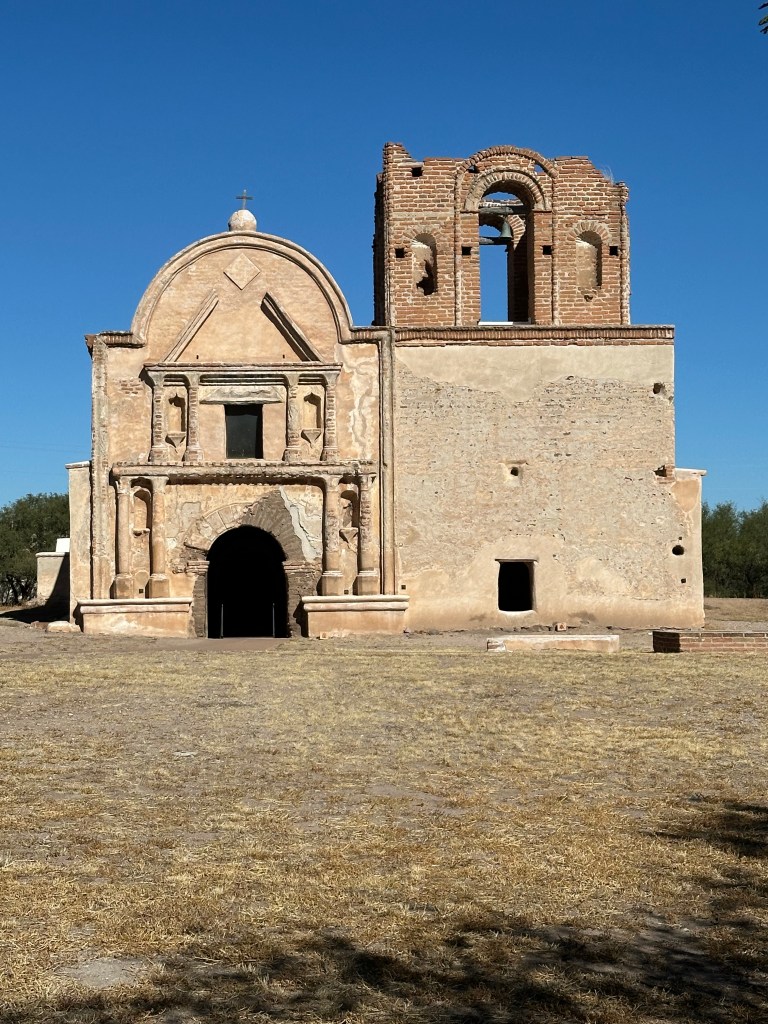
A small but informative museum on site recalls the troubles between the missionaries and the local warring Apache. The museum also has a section dedicated to their leader, Cochise. Widely attributed as a wise chief, he was instrumental in orchestrating an important, if short-lived, peace after decades of war with the Americans.
West of Tumacácori, the frontier tells a different story as American efforts turned towards the lure of precious metals. In 1879, one such pioneer, Ed Schieffelin, was lured south of the San Pedro River in search of silver. A land made famous for its dangerous wildlife and locals at the time, Schieffelin’s friends warned him that venturing there would only lead him to find his own tombstone. His attempts, however, were successful, and in honour of his friend’s apprehension, he gave the town he founded the apt moniker of Tombstone.
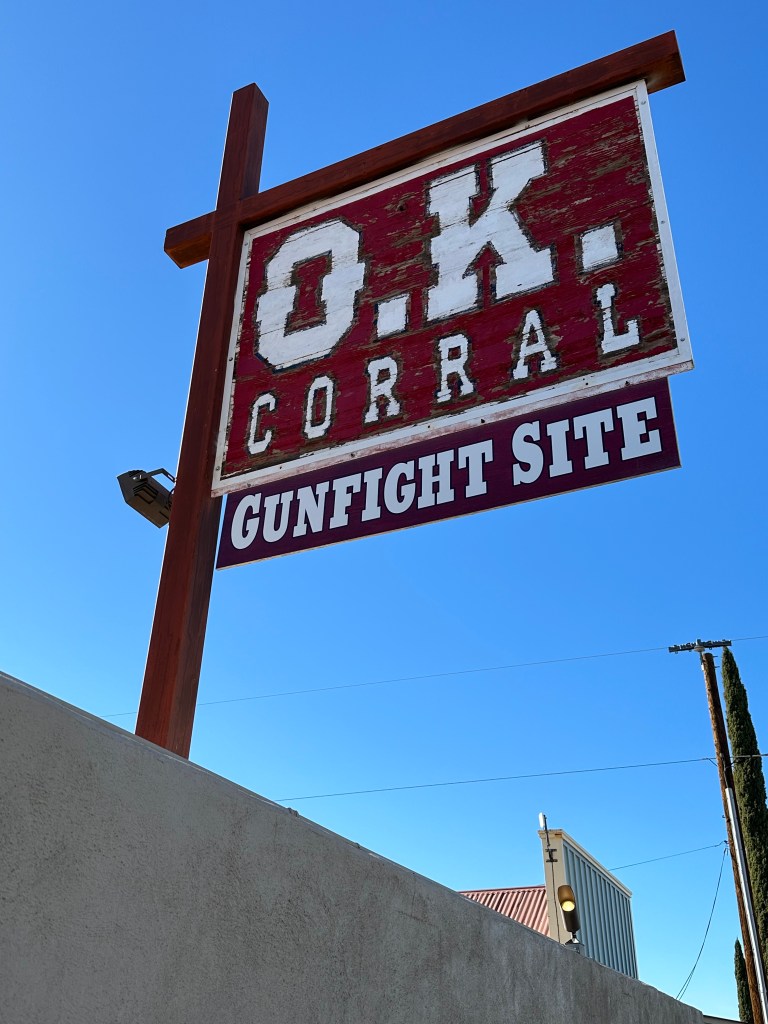
Everybody knows the reputation that Tombstone carries with it. Famed for its gunslinging Wild West antics, it was the shootout at the O.K. Corral in 1881 that put the town on the tourist map. Today, the town leans heavily into this and can come across as more of a tourist trap than anything else. Fortunately, there are still plenty of authentic experiences to be had around town. Boothill Cemetery and the O.K. Corral Gun Show offer a look at Tombstone’s pioneer days from a unique, albeit morbid, perspective. For a tamer experience of this once lawless town, Tombstone’s old courthouse features an overview of the town’s entire history, including the personal effects of those involved in the O.K. Corral shooting.
To Tucson’s east, other symbols of the Wild West can be found as the city skyline turns to a desert landscape. Under the blazing heat of the Sonoran Desert, cacti are king, more specifically, a species of cactus known as the Saguaro. The largest cacti species in the US, it’s also the symbol for Arizona’s south, instantly recognisable to anyone who’s watched an old western film.
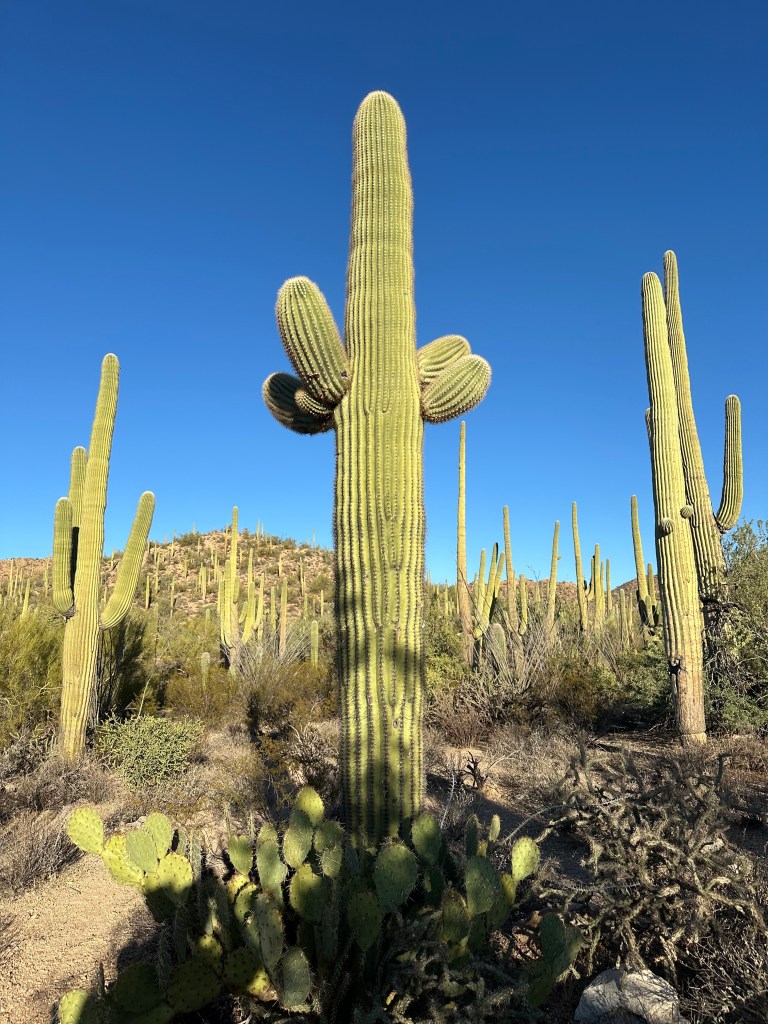
Designed as a national park in 1994, Saguaro National Park is a veritable paradise for nature and animal lovers alike. The Saguaro makes the perfect environment for life to flourish, and if you look hard enough, you are sure to see all manner of different birds, reptiles, and insects. To top it all off, just a short drive down the road is the Arizona-Sonora Desert Museum. A hybrid open-air zoo, the site is dedicated to showcasing the area’s entire ecosystem. Good news if you’ve failed to spot any of the more crafty animals that hide out in Saguaro!
If you enjoyed this type of content, please consider liking this post and commenting down below to let me know your thoughts!




 Faceless One Blog
Leave a comment