
A country once at the crossroads between great empires, Poland has a long and storied history. Hoping to discover its many layers, albeit a small snapshot of them, my latest travelling adventure would take me on a journey to the nation’s two largest cities, Warsaw and Kraków.
Lying on the banks of the Vistula, my travels began in Warsaw’s historic quarter. Separated from the city’s modern hub, this cobblestoned centre of reconstructed buildings dating as far back as the 13th century retains a sense of quaint intimacy thanks to its sheltered location. Nothing short of a reconstructive miracle, the people’s pride can be felt throughout, translating into an old town without tacky trappings, filled with a wonderful lineup of trendy cafes, restaurants and shops.
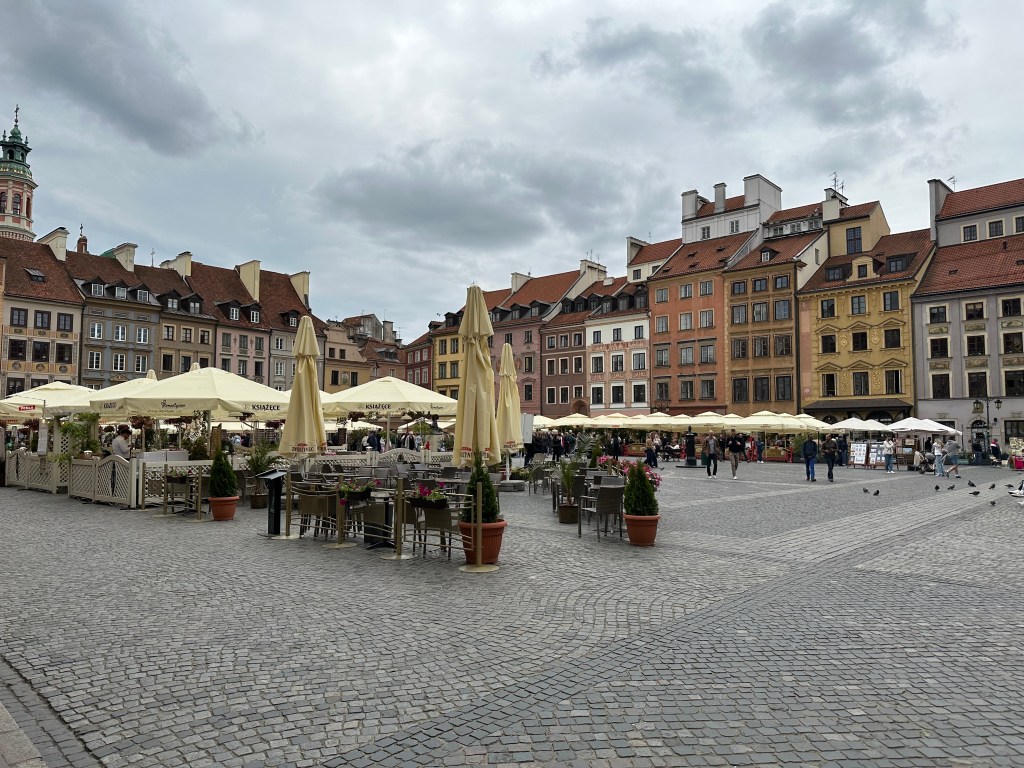
To get a better idea of the history of Warsaw and how the modern iteration of the city came to be, my first port of call was a series of tenement buildings on the Dekert side of the Market Square. Now home to the Museum of Warsaw, its five floors of displays are dedicated to imparting the history, heart, and soul of the city.
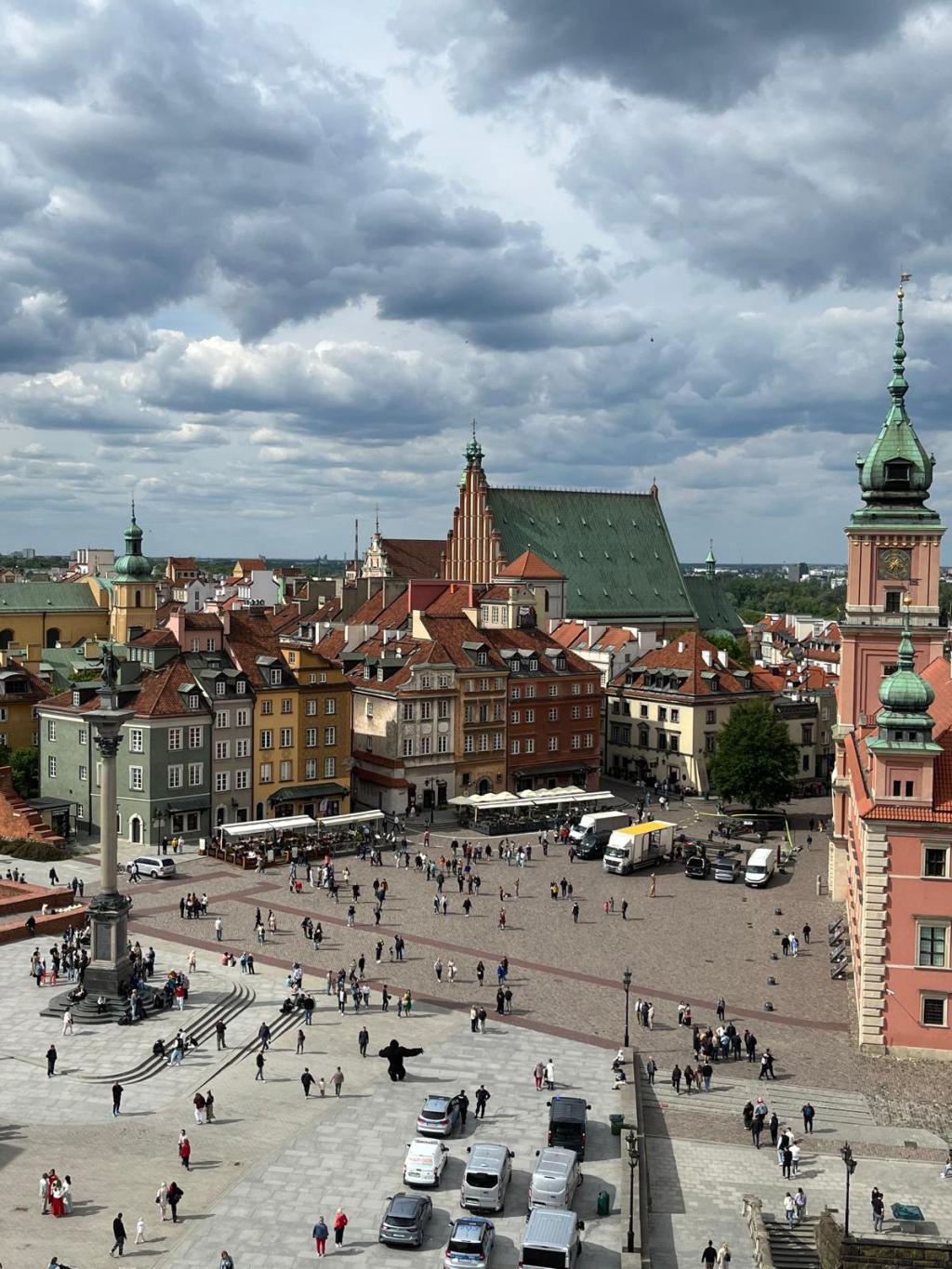
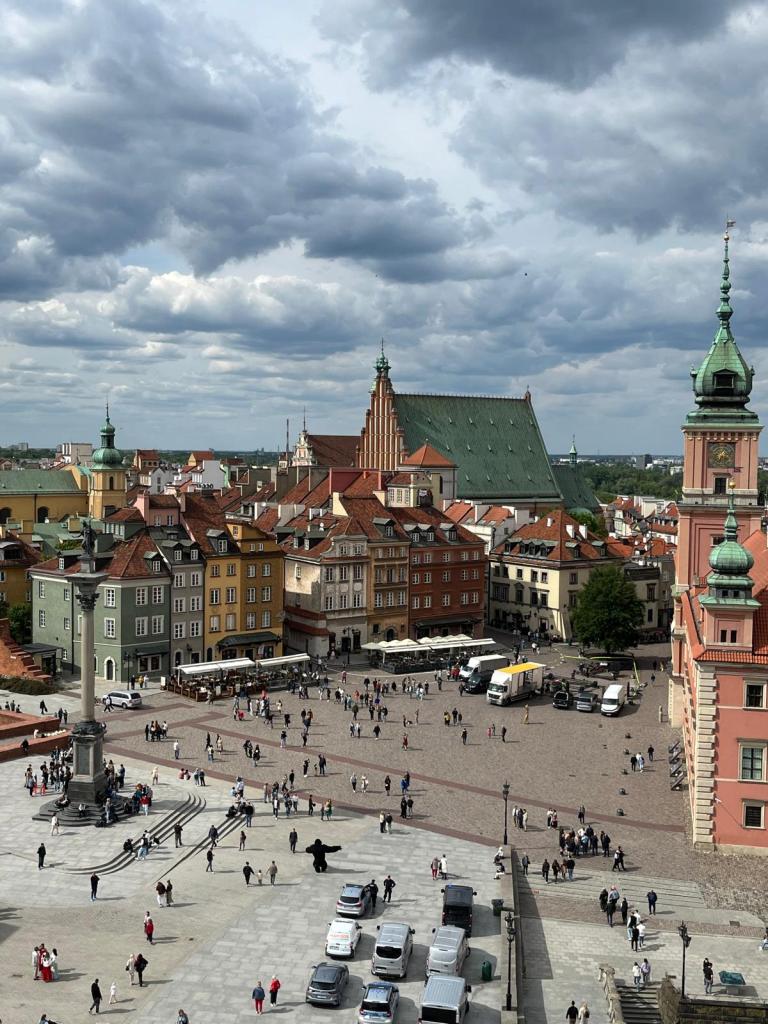
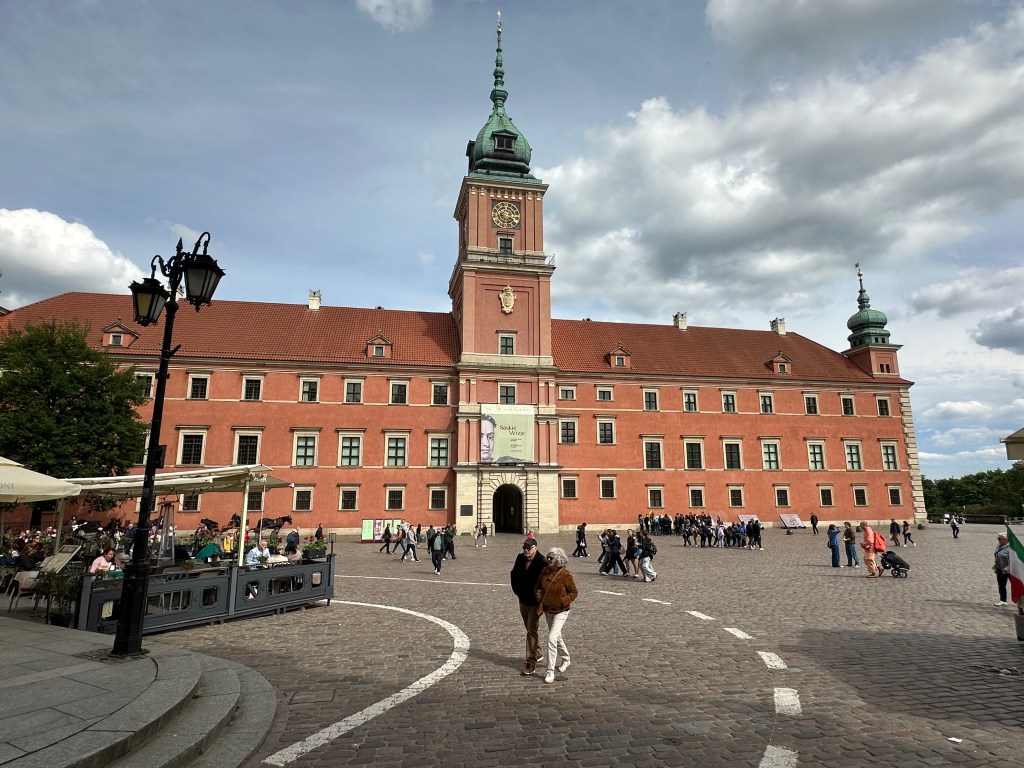
Fuelling my appetite for Polish history, I was then naturally drawn towards what is likely a visitor’s first view of the old town, Castle Square. Straddling the square’s south side is an unmissable building dressed in shades of salmon pink. Founded in the 14th century, the Warsaw Royal Castle has undergone several reconstructions during its lifetime. Its current iteration takes the form of opulence and splendour seen under the rule of Stanisław August. While walking through the royal apartments, it was easy to envision the nation’s prowess, as it still echoes through every tapestry and gold-plated throne.
After an afternoon spent in the company of the rich and powerful, St Anne’s Tower, conveniently located next door to the castle, offers a refreshing perspective. From its bell tower, it has a strategic vantage point that provides crystal clear views of the city’s past and present.
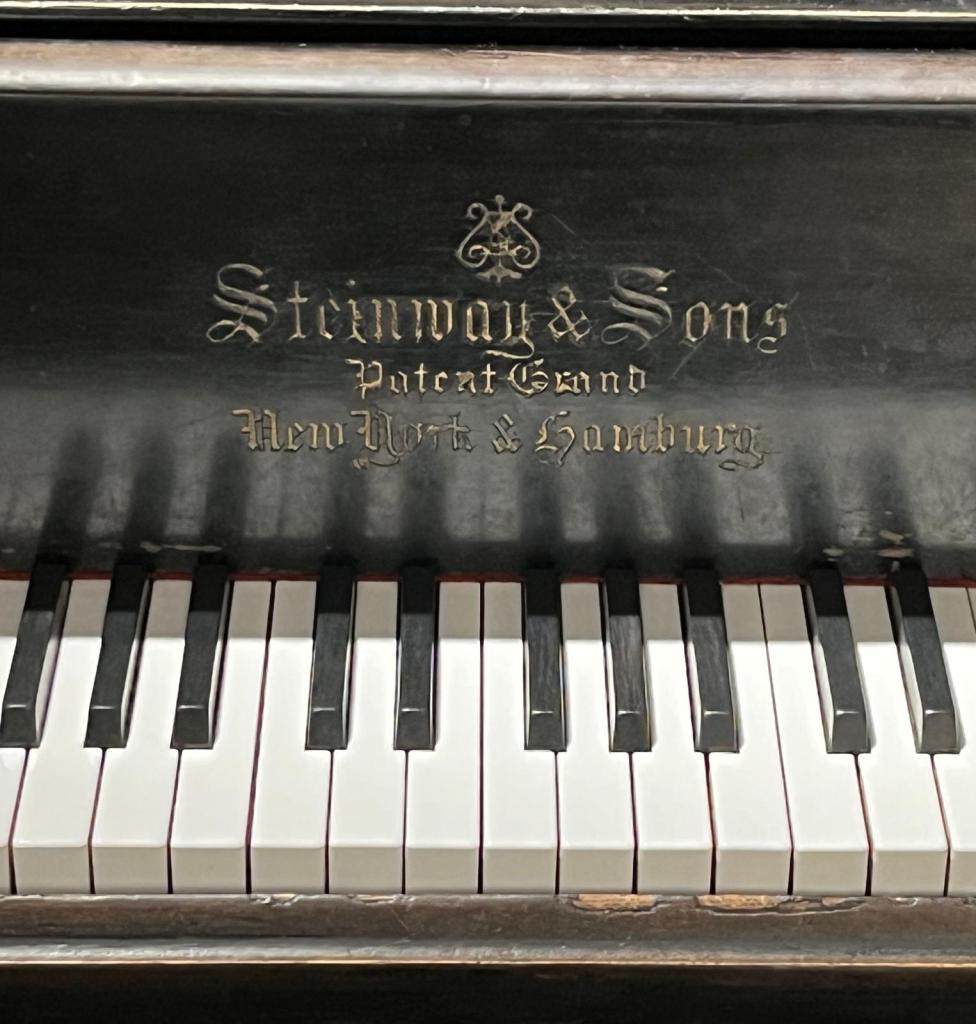
Before bidding farewell to Warsaw’s historic heart, no visit to Poland’s capital is complete without experiencing the works of the nation’s favourite son, Fryderyk Chopin. Every night, the old town hosts several performances of his work, but few match the atmosphere of the Time for Chopin’s venue. Cosy and relaxed, you can enjoy the sounds of peak romantic classicism while sipping on some local honey wine.
Taking a bus southwards, my adventure continued. Racing past the miles upon miles of grassy plains, the arrival of the distant Tatras mountains heralded my approach to the city and former seat of the Wawel kings, Kraków.
Much like the scenery, Kraków emanates a different atmosphere from the county’s current seat of power. Unlike Warsaw, the former royal capital is abuzz with crowds and confusing one-way traffic systems.
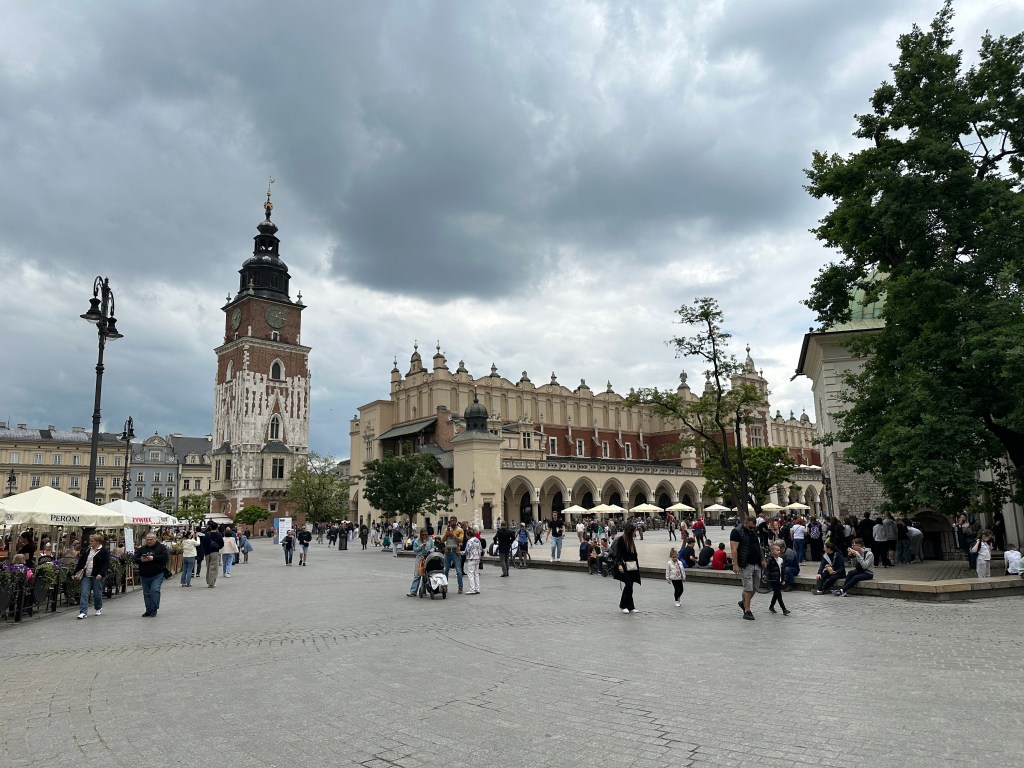
This comes to a head at the city’s popular market square, Rynek Głowny. Set in the heart of the old town, it is accentuated by the impressive Cloth Hall. Inescapable, regardless of approach, this jewel of Renaissance architecture is still in business today. However, you’ll find its most impressive attributes beneath the rows of souvenir stalls.
The Rynek Underground Museum lifts the lid on the once-forgotten side of Kraków’s history. Focused on archaeology, it features items found during a dig of the square, displayed through a series of labyrinthine tunnels. Of particular note is a set of skeletons still placed beneath the earth, buried in different positions according to tradition.
Escaping the dark tunnels and being able to breathe the open air again meant it was time to explore the rest of the old town. Taking a stroll down the admittedly crowded pedestrianised streets, the historic centre is starting to show signs of falling towards the tackier tourist traps, where overpriced restaurants and cheap-looking souvenirs rule the roost. Thankfully, these all but disappear on the approach to the oldest part of Kraków, Wawel Hill.

Home to Wawel Castle and its royal cathedral, the majesty of its setting makes it the city’s most impressive site. Adorned throughout with marble flooring, the castle is covered from head to toe with interesting little details. However, none are as noteworthy as the mystery of the Wawel heads of the Envoys’ hall’s coffered ceiling. To date, nobody knows who they are and what purpose they serve. Equally as impressive as the castle is the ground’s royal cathedral, which holds the tombs of the nation’s greatest rulers and national heroes.
Away from the old town, the city seemingly beckons you towards the Jewish town of Kazimierz and the former ghetto of Podgórze. A leafy, quieter part of the city, it still bears the scars left by Nazi occupation. For a fuller picture of the area, this meant a visit to the Galicia Jewish Museum, which provides a detailed account of the region’s tragic history through photographs.
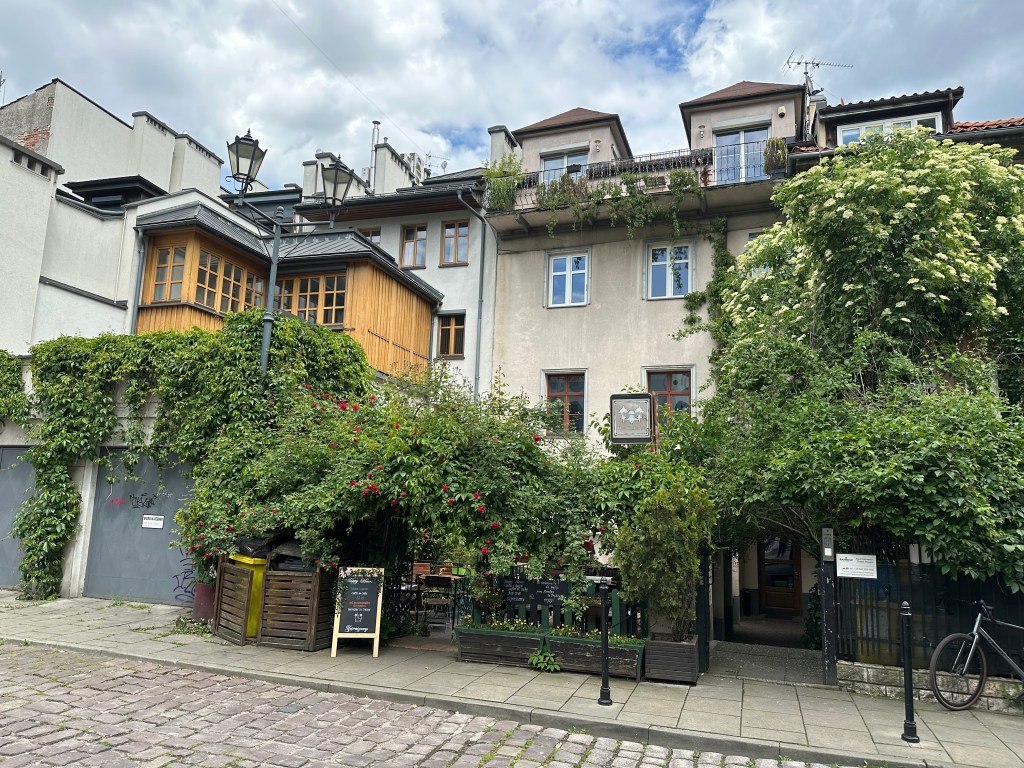
In recent years, Kazimierz has experienced a revival. Transformed into a trendy spot filled with independent businesses, it is also one of the best places in the city to find restaurants. Alongside more traditional Polish dishes, within the district, you’ll find a veritable smorgasbord of cuisines, from Greek to Georgian. With so many good options around, it is impossible to make a bad choice.
Further afield, the area surrounding Kraków has plenty to offer regarding daytrips. While Auschwitz and the Wieliczka Salt Mine make for obvious choices, my attention was instead drawn away from the well-travelled tourist trail. Travelling an hour east by train, my final destination before returning to Warsaw was the small city of Tarnów. Despite the day’s inclement weather, it was clear that the city had managed to keep its small-town appeal, with its market square set as a cultural hub filled with interesting museums concerning the city’s rich history.

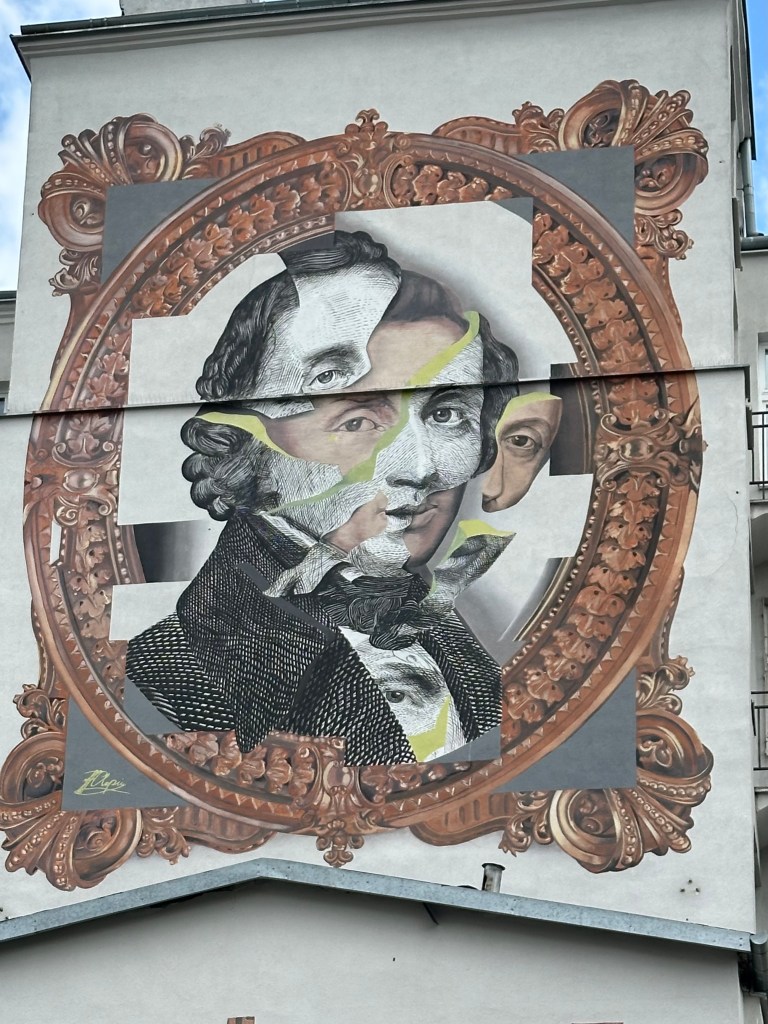
Returning from Kraków and with one last day before my travels would come to an end, all focus turned towards Warsaw’s modern quarters. Sporting a different vibe from its old town, the new parts of the city were bustling and teeming with life. Staying at the welcoming Chopin Motel One, I didn’t have far to go to reach my first stop of the day, the Fryderyk Chopin Museum. Dedicated to the life and works of Poland’s most famous composer, original exhibits blend seamlessly alongside interactive displays.
Moving further through the modern centre, the Warsaw Uprising Museum came next on the agenda. From the refined 17th-century location for Chopin’s Museum, the Uprising Museum was like an assault on the senses. Regaling the stories of those who helped ensure Warsaw and its people could escape under the thumb of Nazi occupation; its displays vary from wartime memorabilia to showcasing the horrifying realities of life under Nazi rule. Even now, the accounts of atrocities committed under occupation still stick with me.
Ending the day and the trip, my final stop was Warsaw’s most famous site and another symbol of Poland’s scarred history, the Palace of Science and Culture. Built as a gift from Stalin to the people of Poland, it now holds several museums and a viewing tower with the best views of Warsaw’s contemporary skyscraper skyline.
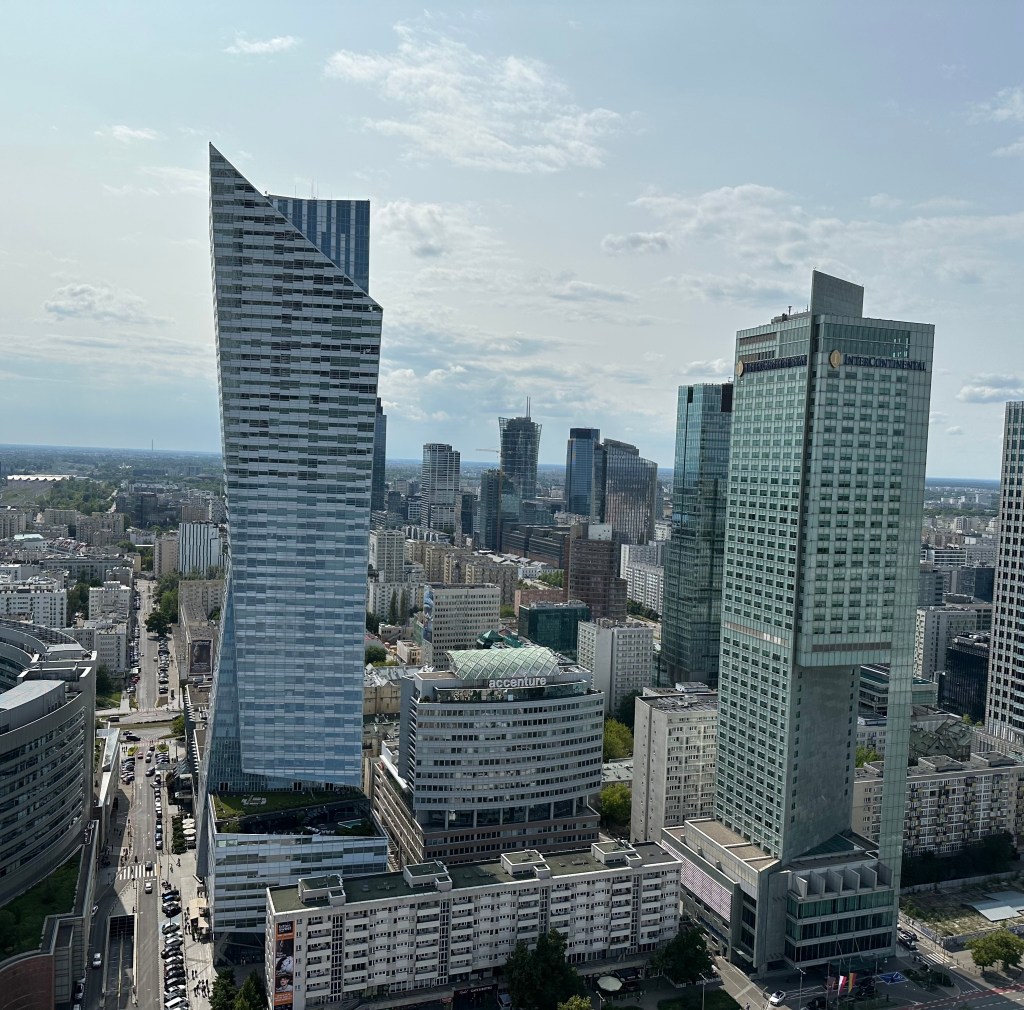
Finishing the trip, my travels to Poland were a transformative experience. Marked by its past, it’s a proud nation with plenty to look forward to in the future.
What did you think about the new content? Would you like more posts like this? Share your thoughts by leaving a comment down below, and be sure to keep a lookout for the next instalment next week! Alternatively, you can help support the blog by donating through Ko-Fi.
Why not check out some of my other travel posts, which can be found Here.



 Faceless One Blog
Leave a comment