
Signing off last time with an exploding TARDIS cliffhanger, season two’s two-part climax sees The Doctor and Belinda face a foe that could destroy the universe if only they could remember who they really are…

Wish World
Starting with Wish World, the story finds The Doctor, Belinda, and the rest of the series’ supporting cast unwittingly playing a role in Conrad Clark’s imagined version of a perfect world. No longer a traveller in time and space, The Doctor now goes by the name of John Smith and is blissfully married to Belinda with a child named Poppy.
Conrad’s warped vision of a perfect world is a continuation of his role as a right-wing grifter. Far from the trappings of reality, his is a heteronormative and ableist world where everyone fits into a box. In his world, everyone serves a specific function; men are seen as family providers, while women are the homemakers. Anyone who doesn’t fit into these moulds is cast out of society to be forgotten or erased completely.
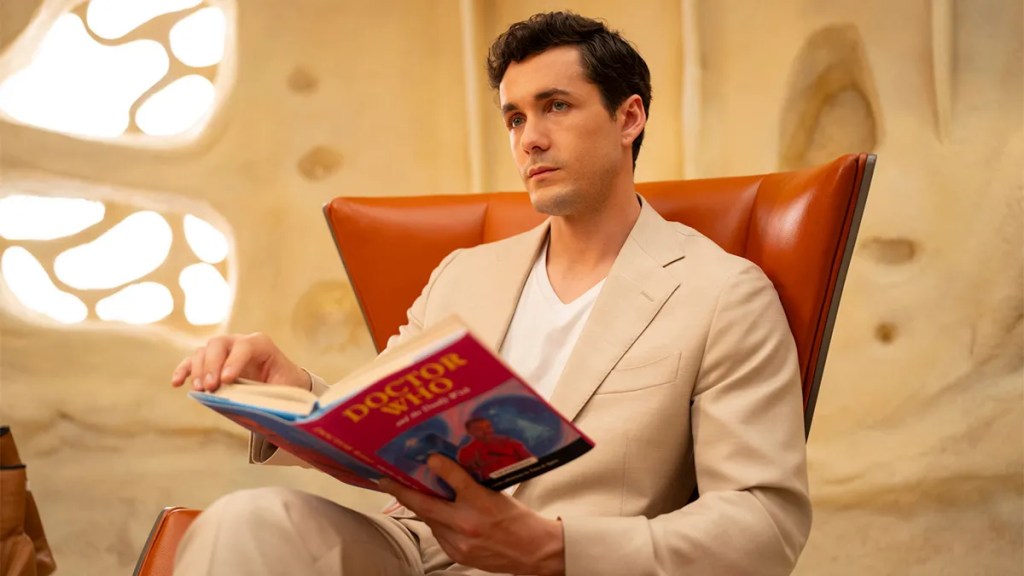
In theory, Davies’s imaginative concept for this episode has all the necessary foundations for a 1984-esque storyline that plays into the concerning growth of toxic online right-wing culture. However, despite Hauer-King’s best efforts as a Big Brother figure, this concept is never allowed to get beyond the surface level.
In the first of many strange directional decisions, the third act sees an untimely end to Conrad’s wish world, leaving several developing plot points without proper resolution. Instead, the story focuses on the master plan that The Rani has been cooking up behind the scenes.
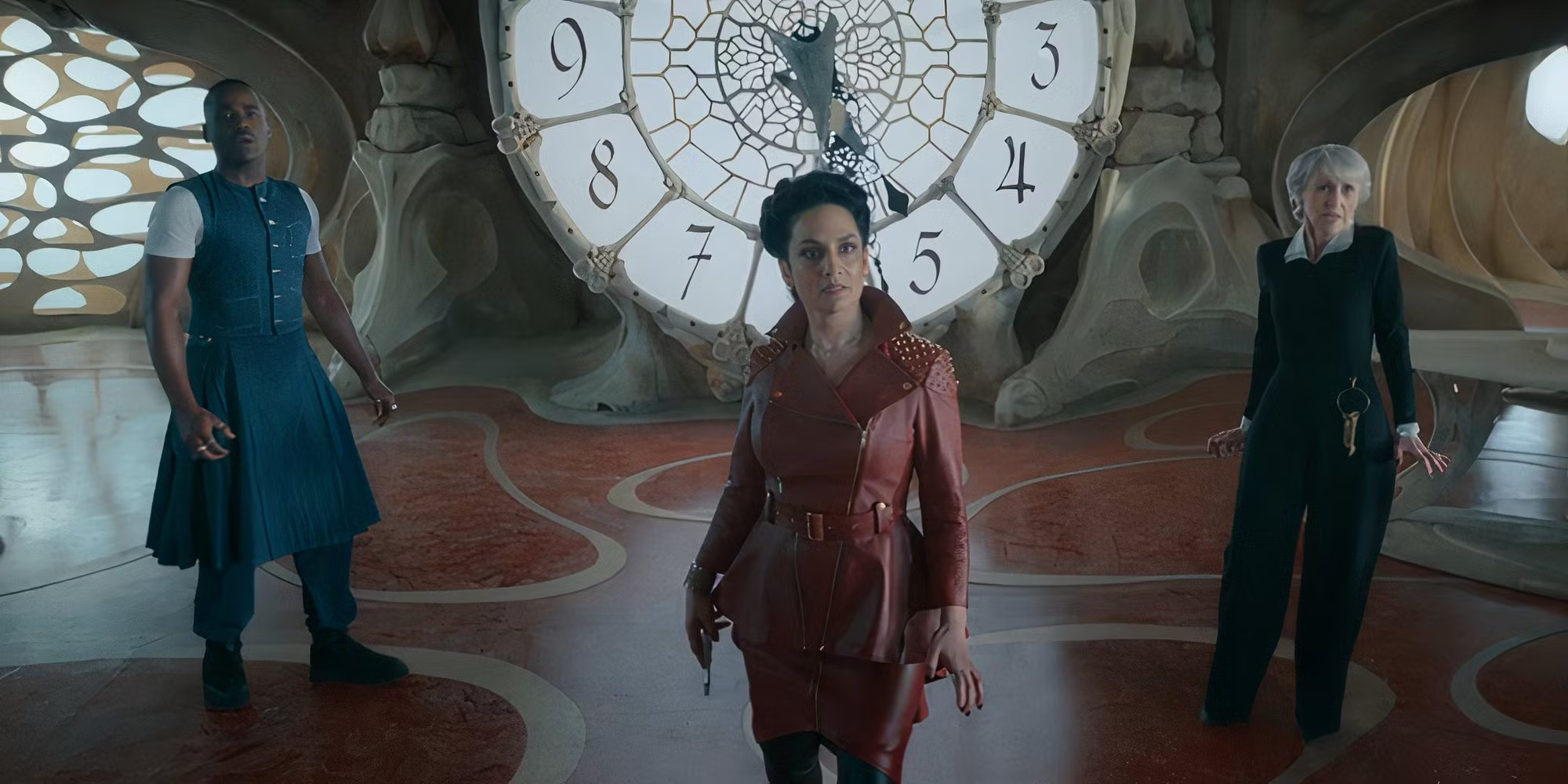
Using the alternate reality, she plans to rip open the Underverse, freeing Omega to help rebuild Timelord society. The problem? It fundamentally misunderstands The Rani’s characterisation and motivations.
During her original appearances, The Rani was characterised as an apathetic, egocentric Timelord scientist with little time for anything other than her experiments. It, therefore, doesn’t make sense to give her the same campy, over-the-top villain reveals that have been this era’s go-to method so far. Moreover, it makes little sense that The Rani would be so eager to bring back Omega to ask for his help, as it directly contradicts her egocentric nature. This ultimately leads to the first part of the story ending on a rather weak note.
The Reality War
With the first part of the story leaving much to be desired, The Reality War had much to do to tie everything together in just over 1 hour. Unfortunately, this episode gets off on the wrong foot from the very beginning.

Saving the Earth and the very fabric of reality from breaking in 40 minutes is a difficult task, so it is no surprise that this part of the episode comes across as rushed and messy. Packing so much in leaves little time for any of the scenes to breathe and pause on their emotional moments. As a result, the fight between The Doctor, The Rani, and Omega fails to create the level of impact needed to convince the audience of the situation’s gravity as it unfolds in front of them.
These pacing problems are compounded by the continued strange plot decisions seen in Wish World. Firstly, this is shown in the companion role-reversal between Belinda and Ruby. While this can be somewhat forgiven during the events of Wish World, it is impossible to play off in the finale.
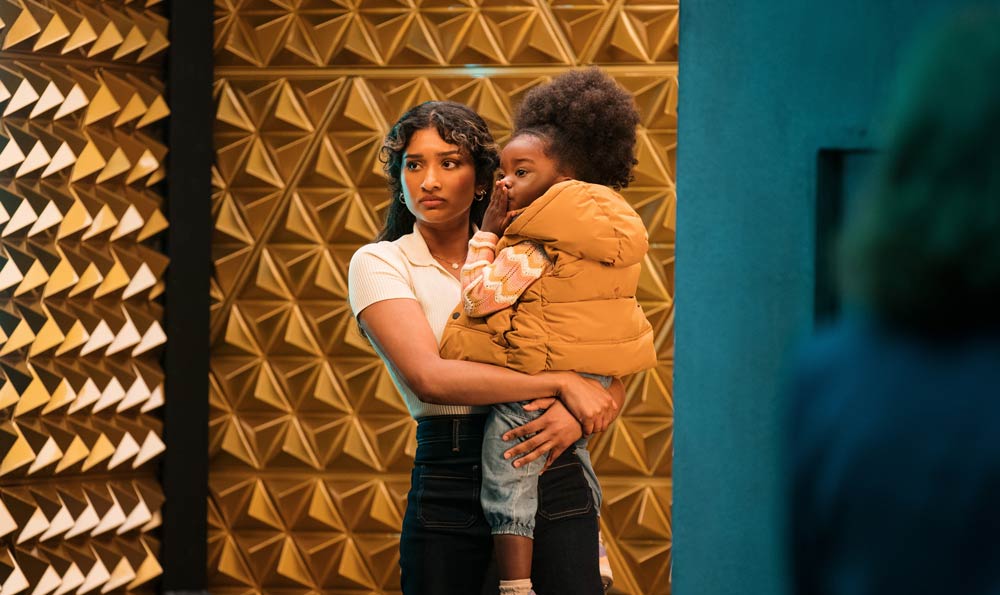
Despite not being this season’s companion, Ruby Sunday is given all the important scenes in both episodes, from being the impetus behind The Doctor’s doubt to the final confrontation with Conrad. Belinda, meanwhile, is, and I kid you not, stuck in a locked box for more than half of the episode.
Plot issues are also noticeable in the final confrontation between The Doctor and Omega. Hyped up throughout both episodes, the scenes between them end up being painfully short. From start to finish, the final antagonist of Ncuti’s era is easily defeated in under five minutes, which is underwhelming given the scope of Omega’s character from the Classic series and the legends that have been built around him.
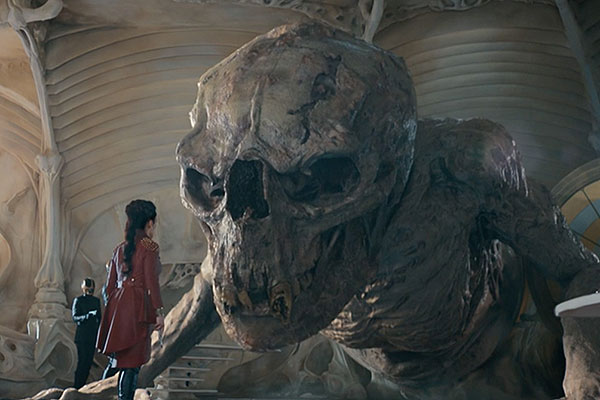
With Omega’s quick defeat, the final 20 minutes of the story turn towards setting up Ncuti’s unexpected regeneration. The episode’s messy and disjointed pacing issues continue throughout this storyline; however, it’s the treatment of Belinda’s character that stands out most.
At the start of the season, Belinda’s more confrontational dynamic with The Doctor signalled a positive change from what came before with Ruby. However, as the season progressed, this more complex dynamic fell to that of a mere whisper, and her character displayed all the hallmarks of what went wrong with Ruby and The Doctor in the first season.
By the climax of this episode and the end of Belinda’s journey as a companion, things went from bad to dire. During her final segments, her character is completely regressed, losing the fierce independence that made her character special. This is coupled with a complete 180 in her motivations for getting home. Originally to see her mum and dad again, this has changed to her trying to get home to see her daughter, Poppy, who was never in the first timeline.
Inevitably, this casts an unfortunate shadow over what is meant to be an emotional send-off for Ncuti’s Doctor, especially when the subsequent scenes have some lovely lines of dialogue between the 15th Doctor and the 13th Doctor.
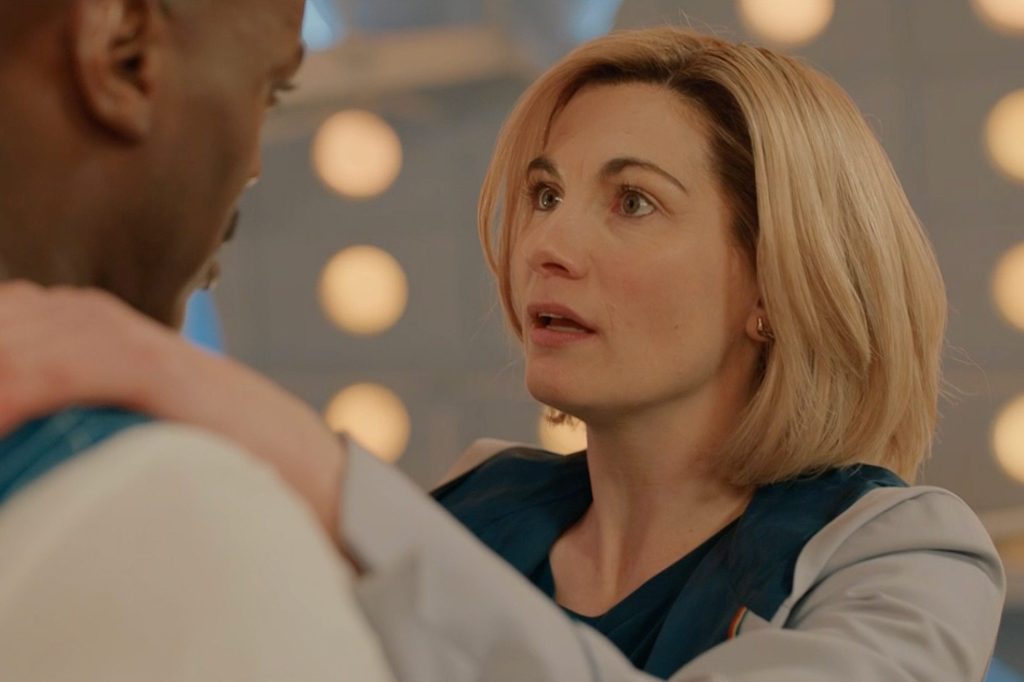
With so much to cram in over the course of two episodes, it perhaps didn’t come as a surprise when Wish World and The Reality War failed to live up to expectations. Messy and riddled with pacing issues, the two stories never had a chance to develop into something interesting or remotely intelligent. At this point, the season finale could still be salvaged to end with something half-decent. Unfortunately, a spate of strange directional decisions and Belinda’s character assassination meant that rather than end on a high, Ncuti’s era as The Doctor ends on a whimper.
My Ratings:
Wish World: 5.5/10
The Reality War: 3/10
Both: 4.5/10
 Faceless One Blog
Leave a comment