

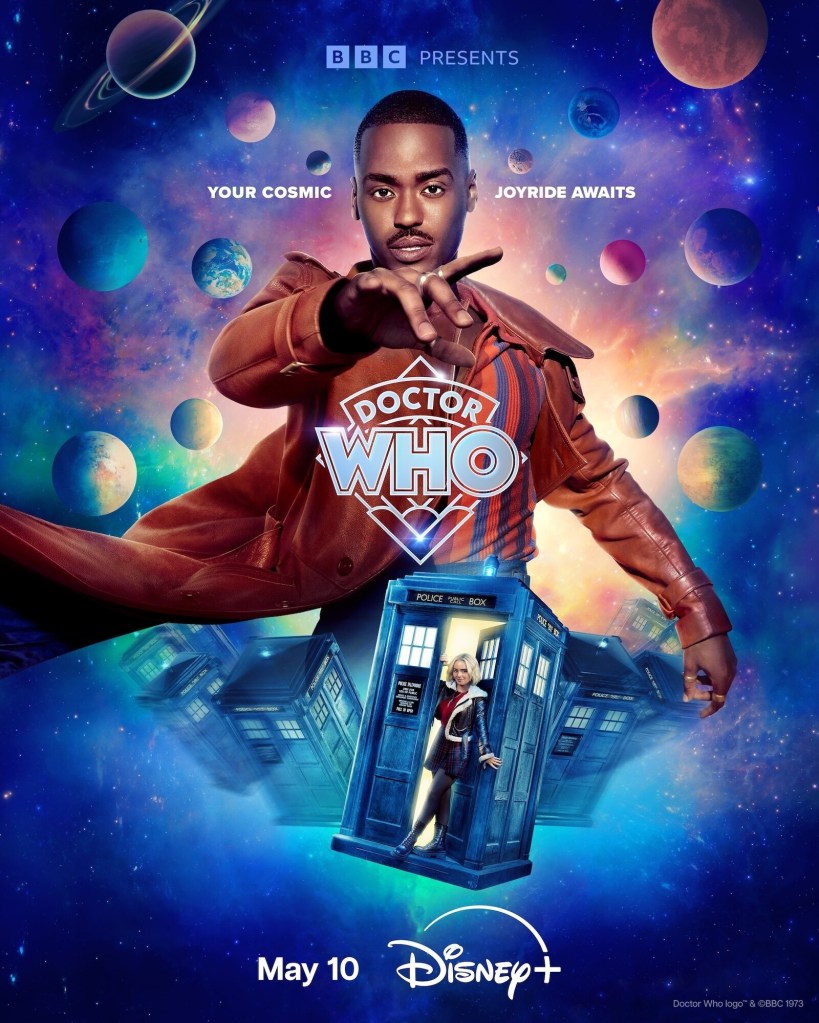
Three years ago, Ncuti Gatwa was announced as the actor playing the 15th incarnation of the long-running series Doctor Who. Heralded by a trilogy of 60th specials led by David Tennant and Catherine Tate, the 15th Doctor’s era, headed by Russell T. Davies, sought a new start with Disney money and a deeper focus on fantasy.
However, by his second season as the titular time traveller, Ncuti had decided to part ways with the show. A blow for the series, trying to find its way through the streaming era, it perhaps didn’t come as a shock given that the rumour mill had been on overdrive during the last days of his tenure. While presently, the rumours tell tales of the show’s uncertain future, that is not what this retrospective is about. Instead, it’ll look at the 15th Doctor’s era in full, looking at what went right and what went wrong, before providing context on how this era will go down given the show’s long history.
Season 1: Starting on Shaky Ground

In line with a promise of a new start, the first season of this era finds the Fifteenth Doctor joined on his travels through time and space with freshman companion Ruby Sunday. A foundling with a mysterious origin story, their travels together are marked by Ruby’s seemingly impossible ability to make it snow and her penchant for being followed around the universe by a strange woman.
The Doctor and Ruby’s adventures got off to a bit of a false start, with the first couple of episodes being rough around the edges. Doctor Who has always been known for its varying quality; however, starting with two sillier stories would never be quite the audience draw they needed to be. Fortunately, as the season progressed, the writing and story quality improved.
Season one’s individual episodes find their teeth during the midpoint. In addition to creative episodes like 73 Yards and Dot and Bubble, it showcased RTD’s new visions for the series. These included episodes with a musical twist and a series of rotating villains that form an institution known as the Pantheon of Gods.

Continuing with the praise for this season, the midpoint also saw Ruby’s character receive her best developing moments. Channelling the great character work that made RTD’s original run with the show special, these episodes either forcefully separate Ruby from the Doctor, or put them in stressful situations where she is made to face her deep-seated insecurities and fears. Unfortunately, Ruby’s moments are never fully developed upon, as the end of the season started to display worrying patterns of messy storytelling that, if not dealt with quickly, would bleed through into subsequent seasons.
These worrying aspects are most prevalent in the season’s overarching storyline. The Doctor’s fight against Sutekh for the fate of the universe also featured the resolution for Ruby’s foundling past. In a twist reveal, there was no mystery behind Ruby’s abandonment aside from unfortunate circumstances. While not necessarily a bad resolution, hyping it over 8 episodes and surrounding it with a story full of clunky writing and dialogue was guaranteed to leave the season on a deflated note.
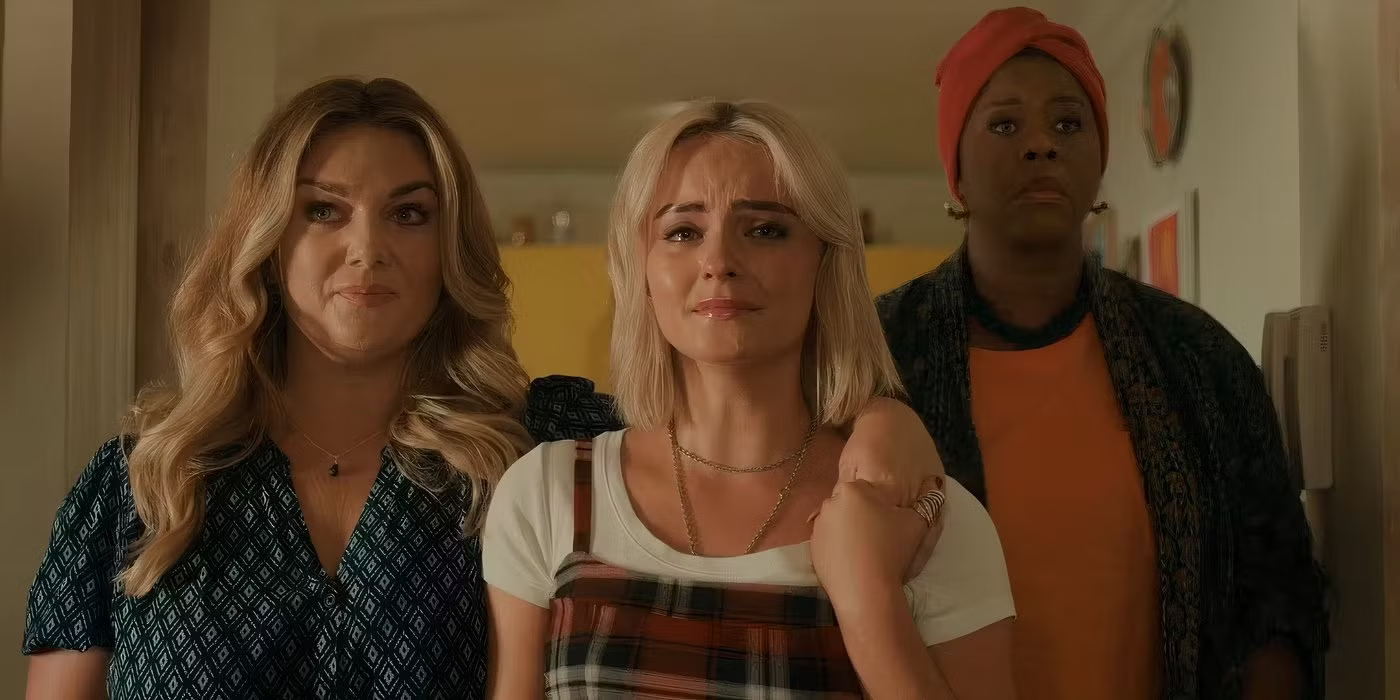
Additionally, the resolution to Ruby’s story also saw her leave the TARDIS as a full-time companion. Her departure was bittersweet, as it brought perspective on her dynamic with The Doctor, or lack thereof. While this can be partly blamed on clashing scheduling commitments (Ncuti’s Doctor was absent for the better part of two episodes), it doesn’t explain why the exploration of their characters together was practically non-existent in the other episodes.
Their friendship, as seen by the audience, is reliant on developments that take place away from their adventures on screen. This results in a cascade of problems as the season progresses but ultimately culminates in the more serious emotional beats of the finale coming across as forced and artificial.
Season 2: A Wilting Promise
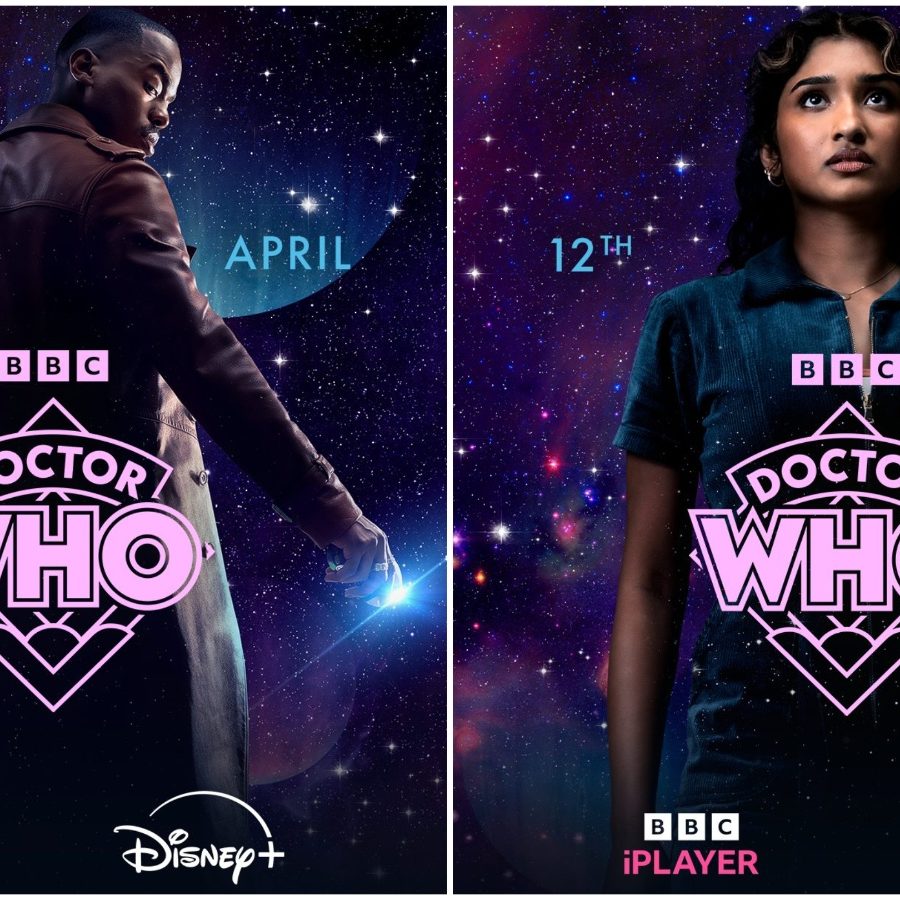
While the first season had its strong points, its sequel still had much to do to improve. The release of the Christmas special and the second season’s premiere episode gave room for hope. Joy to the World brought with it signs of a more complex character for Ncuti’s Doctor; meanwhile, The Robot Revolution saw the introduction of new companion Belinda Chandra.
Unlike Ruby, she wasn’t a willing companion and had no reason to want to travel the universe with The Doctor. This brought with it a new set of dynamics that completely contrast with the first season, as Ruby’s starry-eyed thirst for adventure is replaced with Belinda’s adversarial and doubting approach to her relationship with The Doctor.

Belinda’s more complex relationship with The Doctor carries through to the season’s arc, creating a simple yet effective journey where the objective is to get her back to Earth. This simplistic arc plays well within the show’s structure and results in several early successes in their run of adventures. However, despite these positives, it isn’t long before this era’s worrying storytelling patterns begin to rear their ugly heads and cause issues.
These problems are first felt at the end of the second episode, Lux, where Belinda’s character is unceremoniously changed. Her doubts and questioning of The Doctor all but disappear after their first full adventure together. From here, things for Belinda’s character don’t get any better. By the halfway mark, her character development is completely stunted and begins to resemble Ruby’s character rather than her own.
The mishandling of Belinda’s character continues into the latter stories of the season and the finale. During these episodes, it’s as if the writers don’t know what to do with her character, giving her few moments to shine or keeping her away from the plot altogether. However, the finale is the worst offender, as the conclusion to that story changes her life and character, making her completely unrecognisable by the time the season ends.

Compounding these issues, the arc for the second series also loses its grounding by the latter half of the season as well. Some points could be made about the similarities between the arcs of the two seasons; after all, they both hinge on the mysterious activities carried out by aged women. However, its failed finale is where these problems become too big to ignore.
Was it a victim of being too ambitious, or did its ideas never have more than a surface impression in the first place? Needless to say, the jury’s still out on this one, but whatever went wrong caused an almighty ripple effect. From direction to dialogue, it all added to a cacophony of noise that slightly resembles a Doctor Who finale if none of the emotional beats hit. Unsurprisingly, this left season two and Ncuti’s final season as The Doctor on an unfortunately sour note.
The Problems That Come with Perspective
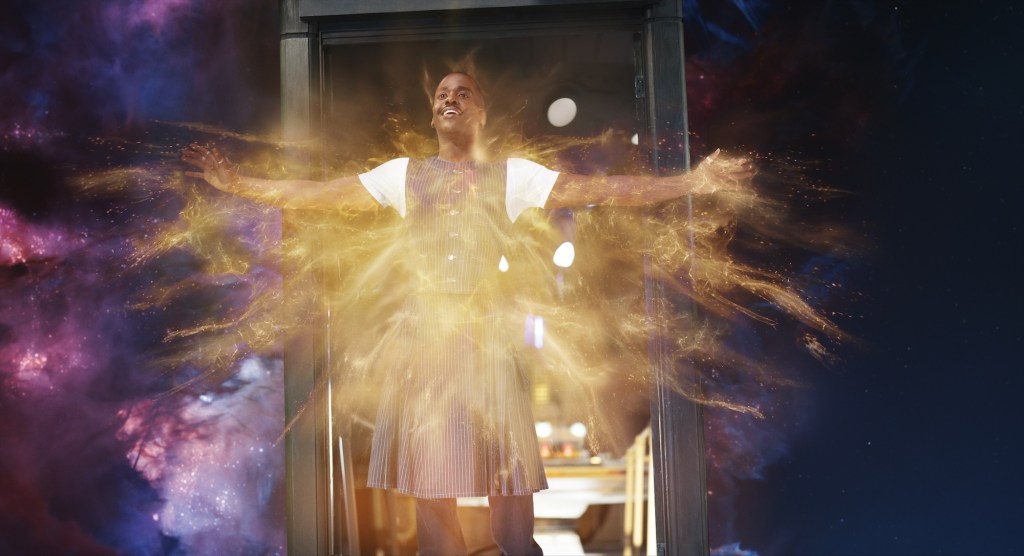
Aside from those who had seen the copious amounts of leaks, Ncuti’s shock regeneration at the end of season two brought his era to a surprise end. Now, several weeks later, and the dust having settled, it brings with it a host of interesting issues that only occur with the whole era in perspective.
Having only 19 televised adventures under his belt, Ncuti’s 15th Doctor will go down as one of the show’s shortest runs. While Ncuti is in great company (Eccleston’s and Hurt’s times on the show are beloved), his episodes never gave his Doctor time to explore and develop his character beyond surface level.
Marketed as the Doctor without baggage or the Doctor who had gone through therapy, his version of the Doctor was meant to represent a fresh, new start alongside the show’s soft reboot.
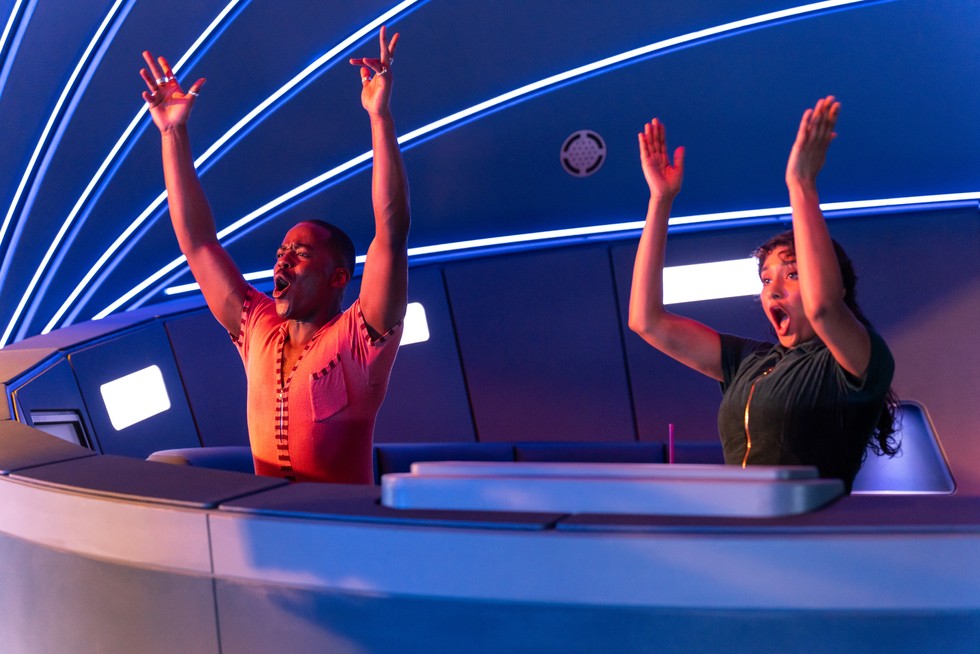
As the seasons went on, however, it became clear that the show never had a plan for his Doctor beyond this gimmick. Apart from the odd hint that there may be darker things to come for his version of the Doctor, it never amounted to anything, which is a shame because Ncuti Gatwa is clearly a great, in-demand actor with the range required.
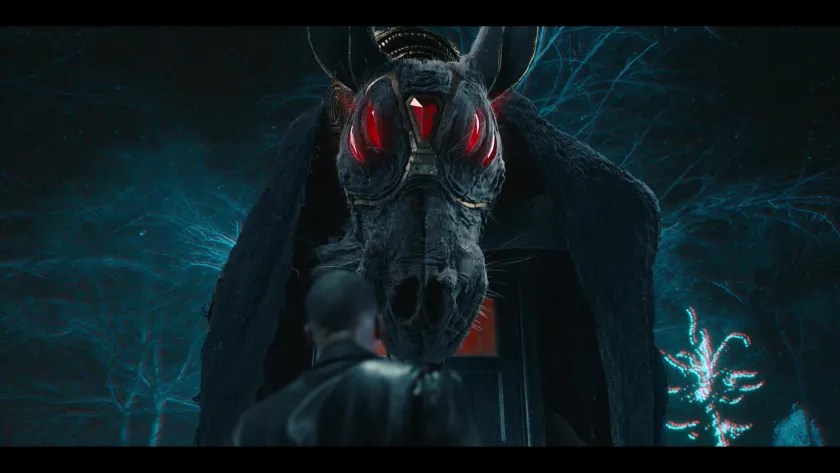
Questions about the soft reboot should also be raised about what exactly was fresh and new about the Disney era. Beyond the odd use of fantasy as a “get out of jail free” card or the introduction of a new pantheon member, it is difficult to find anything new or distinguishing about this era. Most of the hype and build-up in these seasons relied on the return of obscure Classic Who villains, companions, and complex Timelord lore that even die-hard fans like me would struggle to keep track of.
While the past has always played a large role in how the show has continued to move forward, it is difficult to justify given the main aims of the Disney venture. It is hard to see how the show could find and grow new audiences if it keeps forcing its less-wary viewers to trawl through its back catalogue rather than build on something new that everyone can explore and experience together.
Conclusions
Fresh and exciting, Doctor Who’s first era on Disney was meant to deliver a new golden age of the sci-fi show to viewers the world over. Headed by the seemingly safe hands of Russell T. Davies, who successfully brought the show back from the brink of obscurity, and given the lead-in by his first era’s most popular duo, everything was seemingly set for a strong continuance. Unfortunately, even the best-laid plans can go awry.
Despite some standout standalone adventures, they could never overcome the wider issues at play in both seasons. Under the story arcs devised and the new shortened 8-episode seasons, character development and dynamics never quite got the focus they needed. This left big gaps to fill for their intended character destinations, meaning that the plot’s emotional moments come across as artificial and undeserved, which was only exacerbated as the arc conclusions often failed to land as intended.
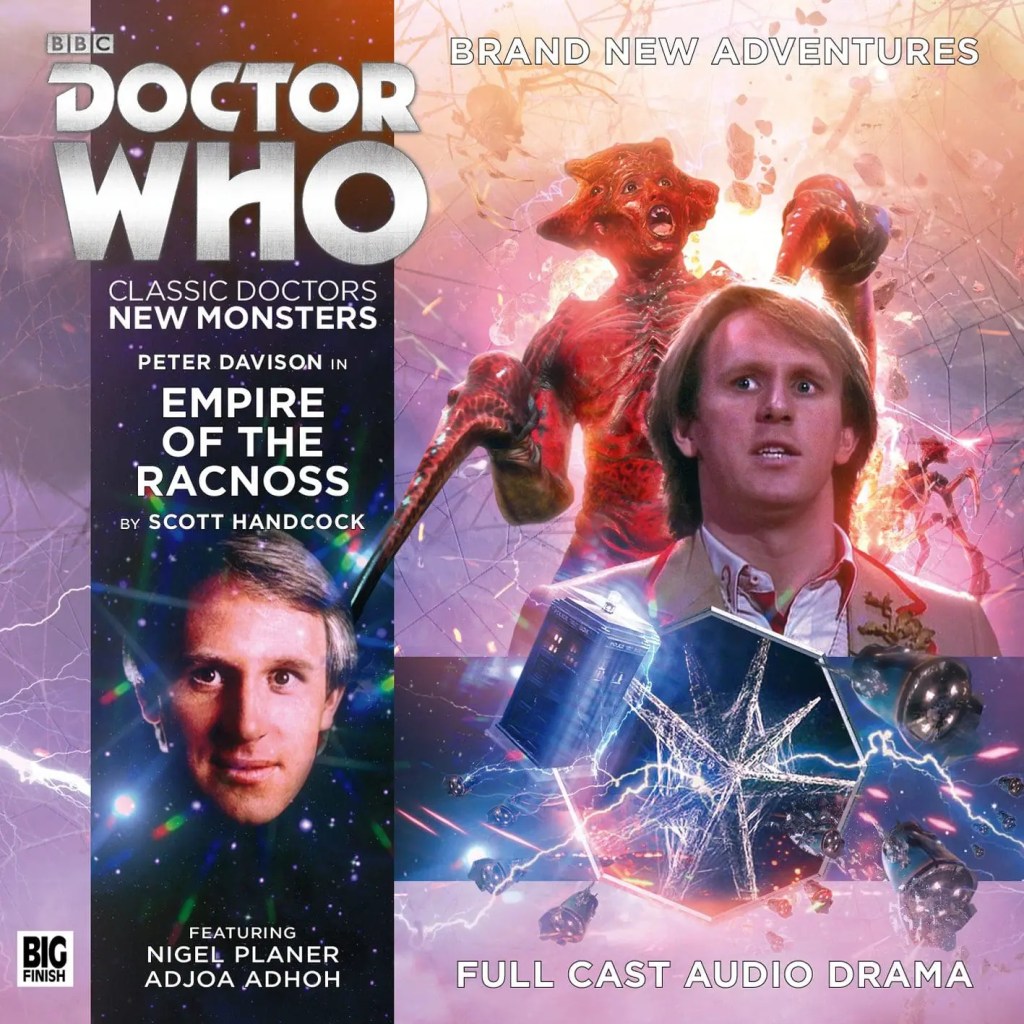
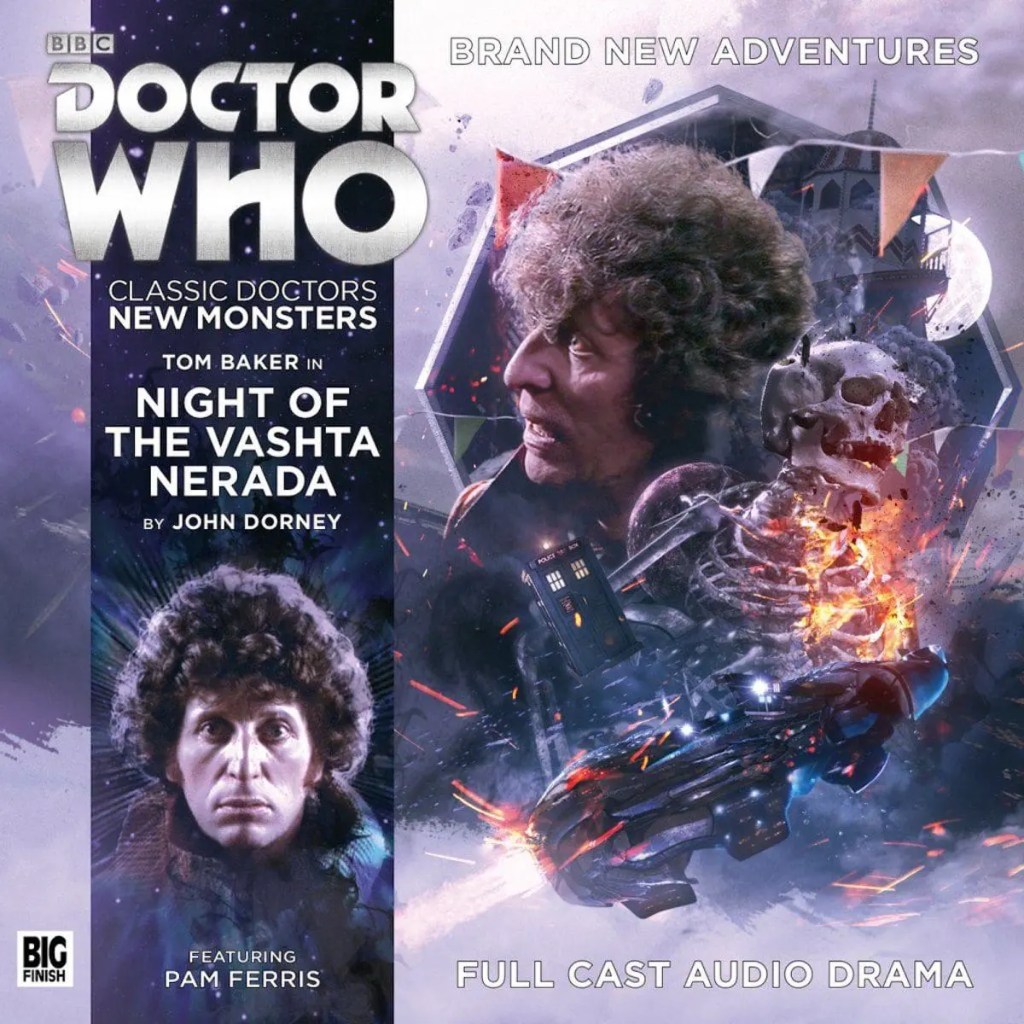
With perspective, this era’s problems only worsen. RTD2’s emphasis on “new” and “soft reboot” is questionable when put under scrutiny. Every arc over the two seasons is reliant on the use of returning Classic Who villains, whose obscurity varies depending on your involvement with the wider Whoniverse. In effect, it never gives the right impression of trying to attract new members to the fandom, and as a result, struggles to break through the public consciousness. All in all, it leaves this era in a strange place and will likely not be remembered as fondly as anything during RTD’s first go at modern Who.

 Faceless One Blog
Leave a comment