
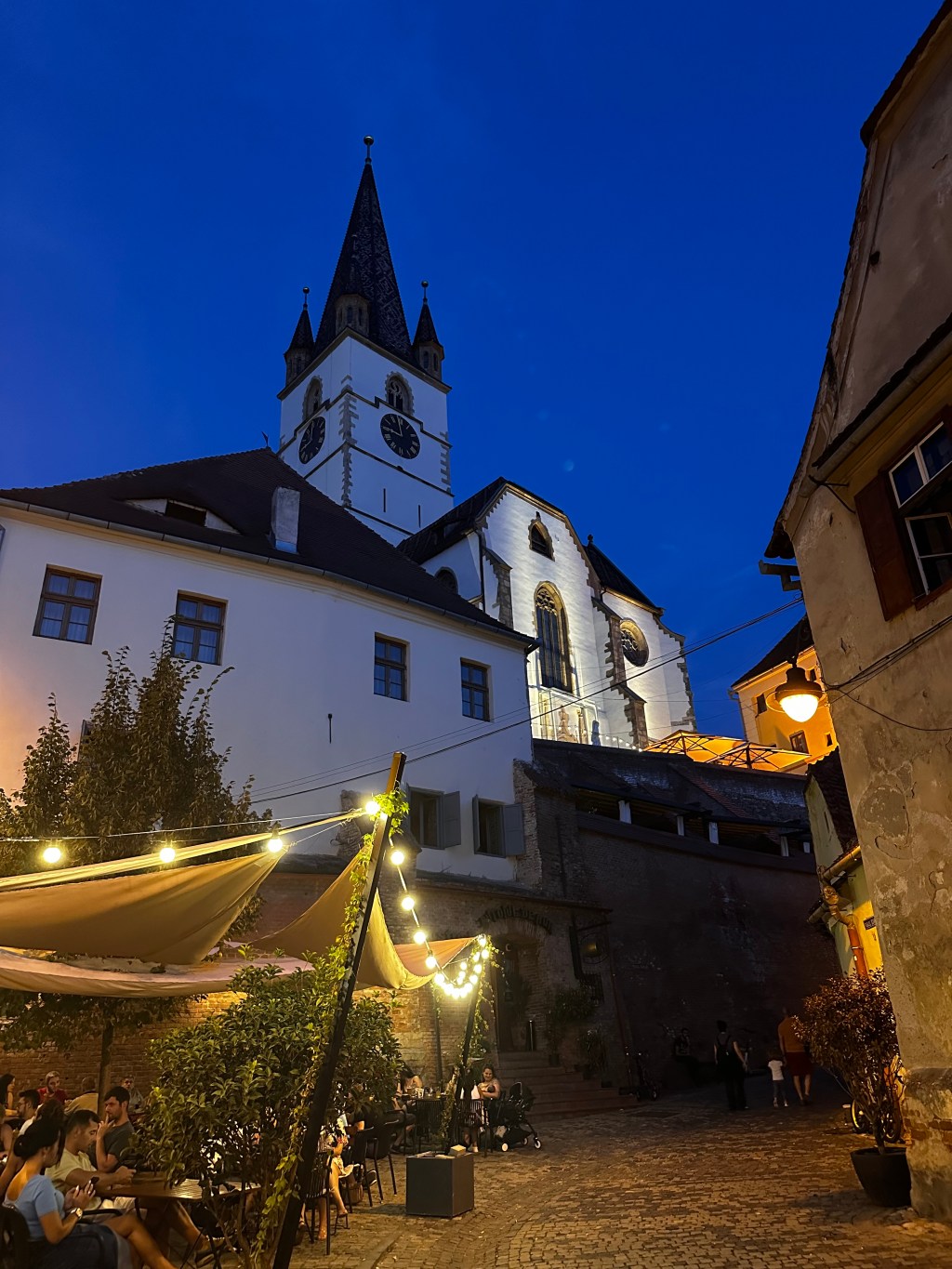

This Saxon city at the heart of the historical county of Transylvania oozes charm from every pore. Featuring a quaint old town, wonderful restaurants, and more day trips than you can shake a stick at, Sibiu has all the makings of a top-tier city break location.
Nestled between the lush green hills of Transylvania, Sibiu is a city that has managed to retain its historical charm. Founded in the 12th century, when King Geza II of Hungary brought Saxon settlers to the region, it quickly became an important centre for trade and has seen the development of many of Romania’s firsts.
Dotted with numerous Saxon-style abodes with eyebrow dormers, the city centres itself around its old town, also known as Hermannstadt. Pretty and filled with pedestrianised squares and alleys, it’s constantly buzzing with activity. It is here that locals and tourists mingle within its many cafes and restaurants, enjoying the cuisine that combines elements of Romanian and Germanic heritage.
Within the wider region, Sibiu makes for a great stepping stone to discover all the wonders that Central Romania has to offer. Travel west from the city, and it presents the fruits of royal splendour in Alba Lulia and the gothic horrors of Corvin Castle. Explore up north, and a more traditional way of life straddles its path up to the walled town of Sighisoara—Vlad the Impaler’s birthplace and home to yet another UNESCO site.
SEE AND DO
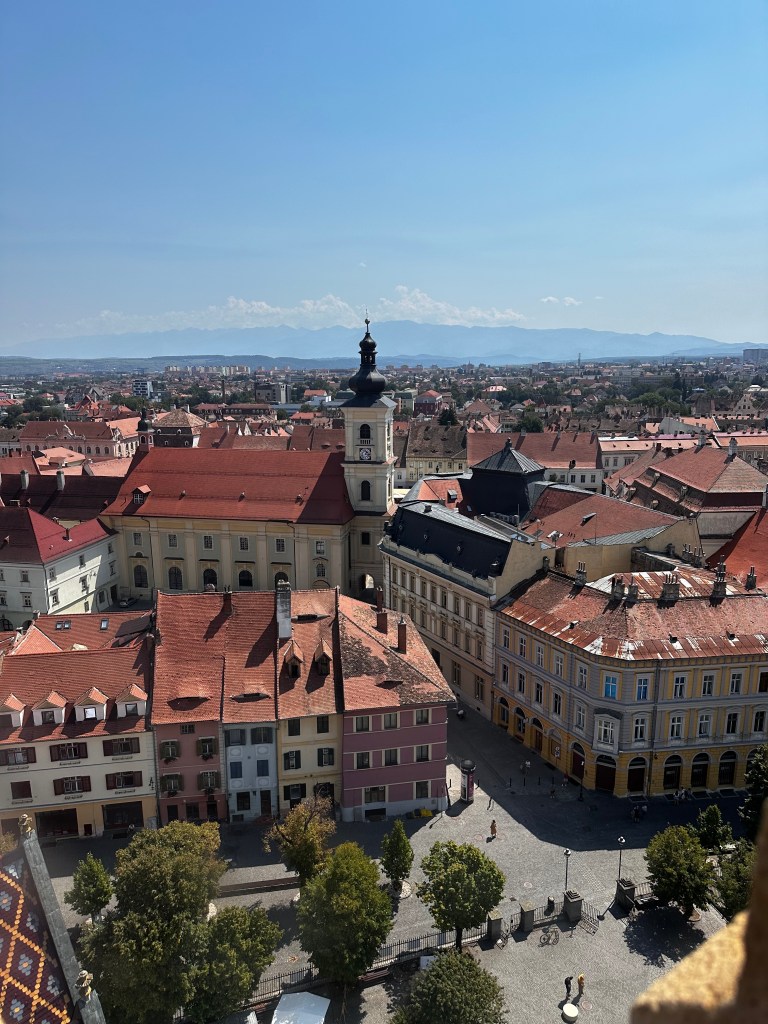
UNESCO-Listed Centre and Squares:
Start your adventure with Sibiu’s best attribute: its historic centre and pedestrianised squares. Important throughout its history, the numerous settlers who have called this city their home have left it with an interesting mix of heritages. Spend your time strolling through its pretty little alleyways and watch locals and tourists alike while away the hours chatting and drinking coffee. Alternatively, keep an eye out for one of the city’s many houses with eyebrow dormers, which give Sibiu its nickname as “The city where houses don’t sleep.”
The Brukenthal Museum:
Sibiu’s main square is the epicentre of the action; however, there is one building that stands out even among the crowds, the Brukenthal Palace. Built at the request of Empress Maria Theresa’s trusted advisor, Samuel von Brukenthal, the palace is the number one destination in the city for all things art and culture. Boasting the title of Romania’s first museum, it houses countless exhibits filled with art, antiques and fashion.
Climb the Evangelical Cathedral:
A symbol of Saxon life in Sibiu, the Lutheran Cathedral offers some of the best views of the city. Albeit a taxing climb (especially in the summer heat), few places provide such fantastic views of the wider Transylvanian countryside as well as a fuller perspective on how the city came to be.
FURTHER AFIELD
Corvin Castle:
With its intimidating Gothic edifice and surrounded by wilderness, it is clear how this 15th-century castle made its way onto the list of the Seven Wonders of Romania. Featuring a bloodier history than its on-screen appearances (The Nun, Nosferatu (2024)), the best way to visit this medieval masterpiece is with a certified guide who can regale you with fascinating tales of slavery, betrayal and curses.
Sighisoara:
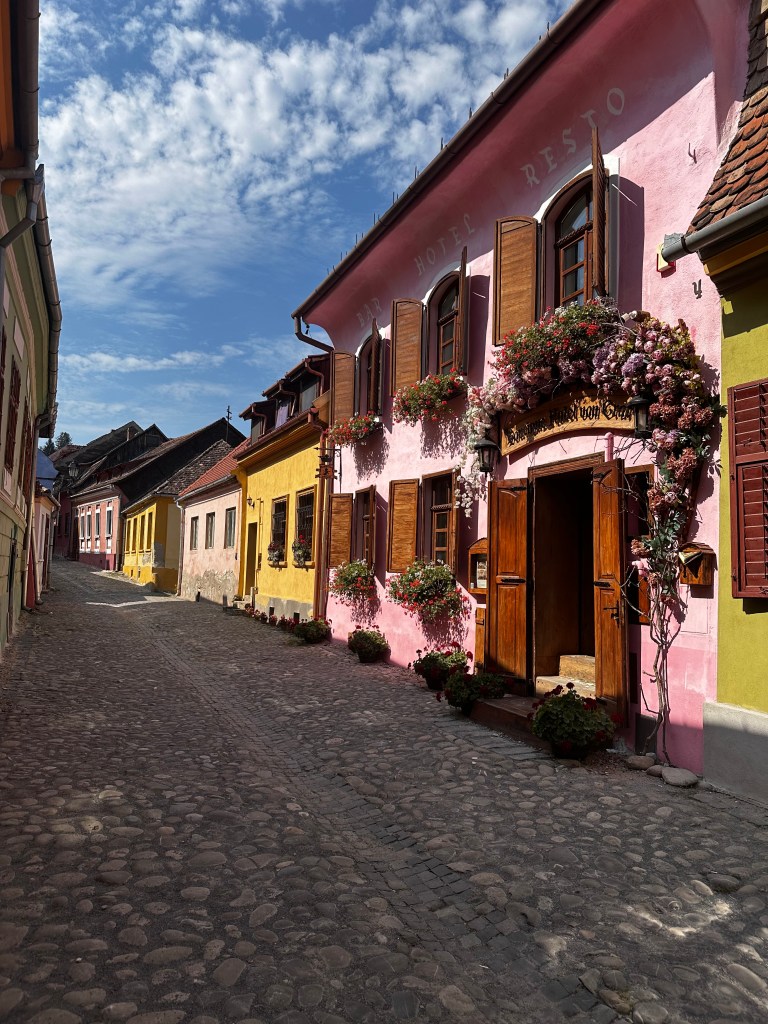
Well-known as the supposed site of Vlad the Impaler’s birth, Sighisoara has so much more to offer than being a footnote to his infamous actions. Betwixt the high Transylvanian hills, the small town is the jewel in the region’s crown. From its UNESCO-listed citadel walls to the brightly coloured houses that you’ll find within, it’s hard not to be amazed at what the region has to offer.
Alba Lulia:
Located under an hour away from Sibiu, the city of Alba Lulia is greatly significant to Romania’s modern history. While inhabited since Roman times, the city’s most important event happened during the first half of the 20th century. After the end of the First World War, Ferdinand I was symbolically crowned the King of Romania, and the city was the site of his coronation as well as the Great Union between Romania and Transylvania, which created the country’s present borders. Today, monuments to this unity are found throughout the grounds of the citadel, but perhaps none are more striking than its two cathedrals that stand side-by-side, representing the country’s two main branches of Christianity.
EAT AND DRINK
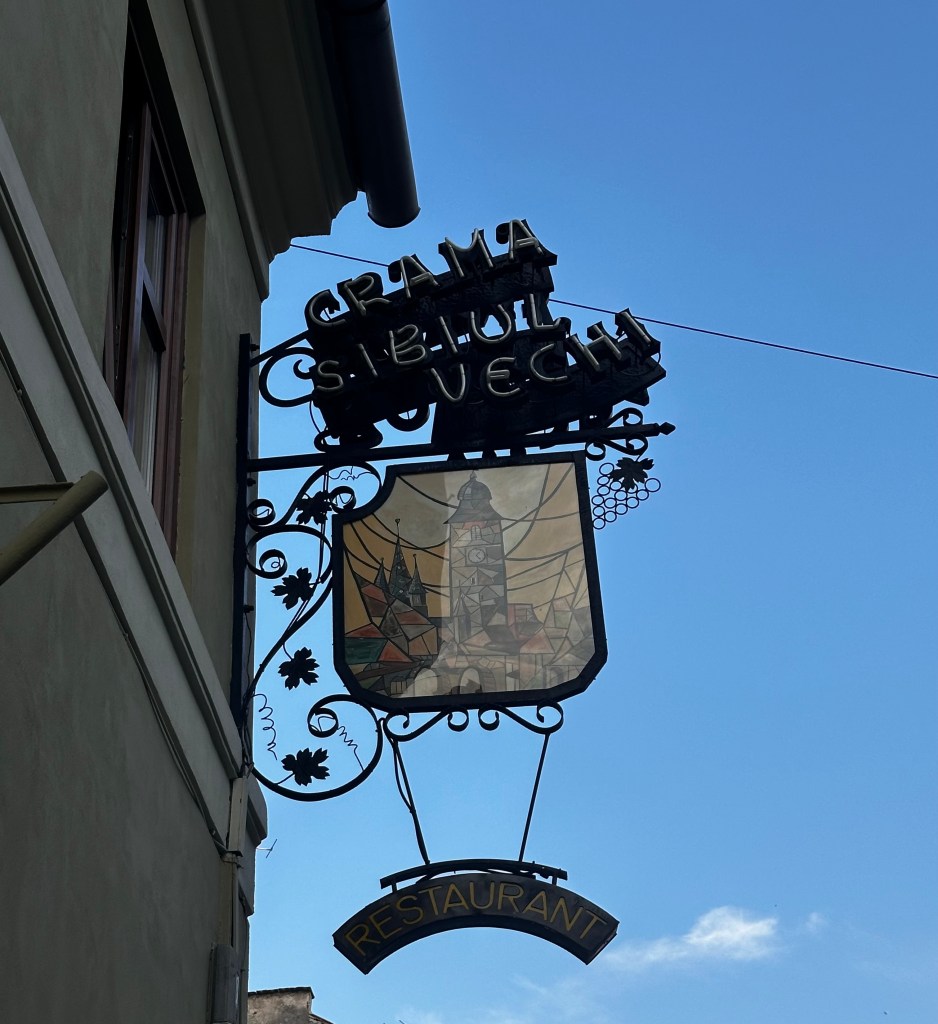
Crama Sibiul Vechi:
A foodie’s first port of call should be Crama Sibiul Vechi. Unassuming on the outside, aside from a stained-glass sign, what lies in the basement is a traditional feast for all. The restaurant offers a taste of Transylvania, and its extensive menu is sure to have something for everyone to enjoy.
La Cuptor:
From the traditional to something more modern, La Cuptor showcases all a diversifying nation has to offer. Within walking distance of Sibiu’s historic centre, the restaurant is cosy and intimate—perfect after a full day’s sightseeing.
Café Wien:
A shining example of Sibiu’s melting pot of Romanian and Germanic heritage, Café Wien is a little piece of Austria in Transylvania. Set strategically next to the city’s cathedral, patrons can enjoy a perfectly placed sunset or a spot of people-watching while tucking into a sumptuous helping of schnitzel and sachertorte.
SHOPPING
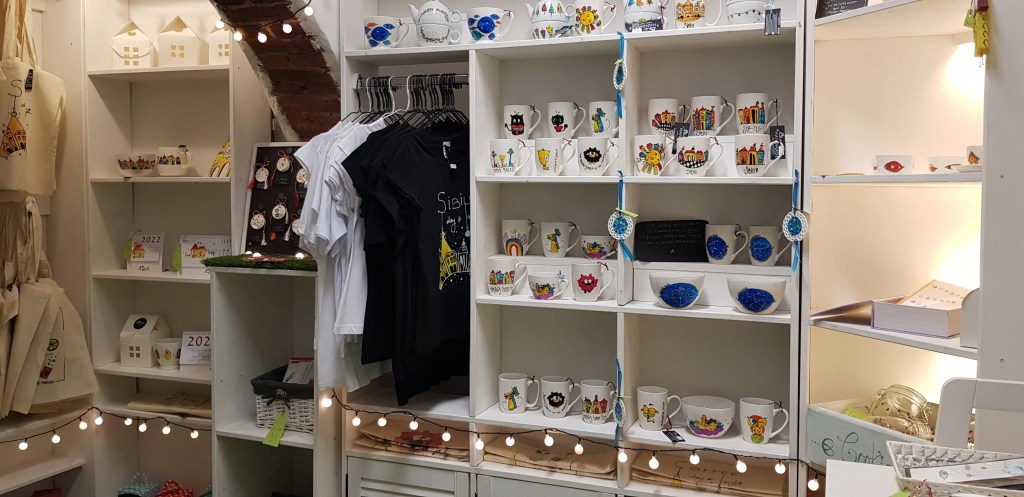
Lullula Art Shop:
Located within the shadow of Sibiu’s Orthodox Cathedral, Lullula Art Shop is a hidden gem for gifts. Its small square footage does not impede its neatly arranged cups, magnets, and Christmas decorations, all of which are handmade inside the store. The staff are friendly and curious, and if an item you like is out of stock, they’ll be more than happy to take an order and have it ready by the end of your break!
Erasmus Bookcafe:
Set within a shaded veranda on the edge of Sibiu’s Astra Park, this book café offers a slice of calm serenity amidst the lively historic quarter. Featuring a range of Romanian, German, and English titles, there’s sure to be something interesting to mull over whilst sipping on your beverage of choice.
Spoonman’s Shop (Sighisoara):
Created by artist Mark Tudose, Spoonman’s is a one-stop shop for meaningful souvenirs in Sighisoara. Conveniently placed between the town’s two most popular sites, the shop offers a wide variety of handmade wooden arts and crafts.
TIPS AND TRICKS
Getting there and around:
Transport links to Sibiu are plentiful. From the UK, Wizz Air offers direct flights, while there are numerous flights to Romania’s capital, Bucharest—these usually take just over three hours. By land, Sibiu can be easily reached from any of the major Romanian cities via train or bus.
Once in the city, Sibiu’s small historic centre is easily walkable. For anything further afield, there are trolley buses that service all major areas. Alternatively, Uber and Bolt are operational throughout the city.
When to go:
Sibiu and the rest of Romania are sweltering during the summer months, with temperatures often staying above 30°C for weeks on end. Like most of Southern Europe, the best times to visit are during the spring and autumn months, when days are pleasantly warm and nights are cool.
More info:
To find out more about Sibiu and the surrounding area, visit the country’s tourism site here: https://www.romaniatourism.com/sibiu.html
What did you think about the new content? Would you like more posts like this? Share your thoughts by leaving a comment down below, and be sure to keep a lookout for the next instalment next week! Alternatively, you can help support the blog by donating through Ko-Fi.
Why not check out some of my other travel posts, which can be found Here.




 Faceless One Blog
Leave a comment