
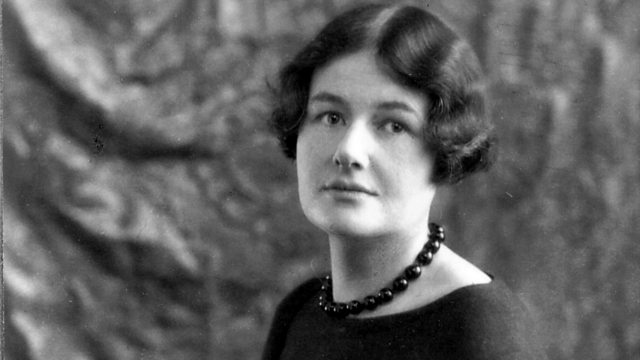
Viola virtuoso and composer Rebecca Clarke (1886-1979) has had a revival in recent years. Enjoying pockets of fame during her lifetime, it wasn’t until the 21st century that her works were re-examined, some of which are now considered masterpieces.
Best known for her work with the viola, many of her compositions featuring the piano, including her Piano Trio (1921) and her Rhapsody for Cello (1923), have been hailed for their idiomatic and inventive style and have been performed worldwide. Despite these clear gifts for the instrument, however, the number of works she wrote for solo piano is small, with only three completed during her lifetime.
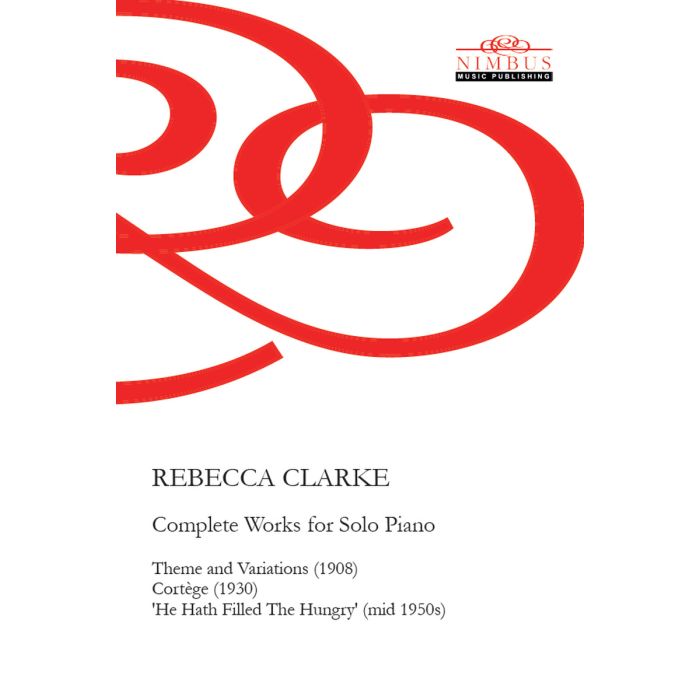
NIMBUS Music Publishing, a member of Wyastone, which includes Nimbus Records and Lyrita, brings Clarke’s complete solo piano repertoire to the wider public with a recently released score. These three solo piano pieces feature from different periods throughout Clarke’s long composing career and showcase her development into one of Britain’s greatest unsung composers.
Starting with her Theme and Variations (1908), the piece dates back to Clarke’s period under the tutelage of Charles Villiers Stanford. Even at this early stage of her development, evidence of Clarke’s enigmatic style and influences can be felt throughout this twenty-minute-long piece. Comprising sixteen variations and a finale, the piece flitters through a range of different musical styles that clearly had an influence over Clarke in her formative years. Mostly stretching Romantic and Nationalistic styles, they are dutifully captured on NIMBUS’s clear score, offering an array of challenges for even the most seasoned of performers.
The edition then continues with the shorter work, Cortège. Written in 1930, Clarke’s style at this point had matured, and she had already composed some of her more famous chamber works. Dedicated to friend and fellow composer William Busch, it presents a nice contrast from her earlier work, being completely impressionistic in style. With its constantly shifting chords, dynamic extremes, and focus on voicing within the left hand, this piece presents a challenging yet rewarding experience for players hoping to achieve its exotic-sounding harmonies.
Clarke’s final piece for solo piano is an arrangement of Bach’s He Hath Filled the Hungry (the 1950s). Composed during her later years, it is the only score within the collection to contain fingering suggestions. Fitting nicely under the hand, Clarke’s style shines through the arrangement, filling it with her signature blend of lyricism.
NIMBUS Music Publishing’s release of Rebecca Clarke’s complete solo piano works rightly points the spotlight at an unsung British composer, whilst presenting performers and casual players alike a series of rewarding challenges.
 Faceless One Blog
Leave a comment