
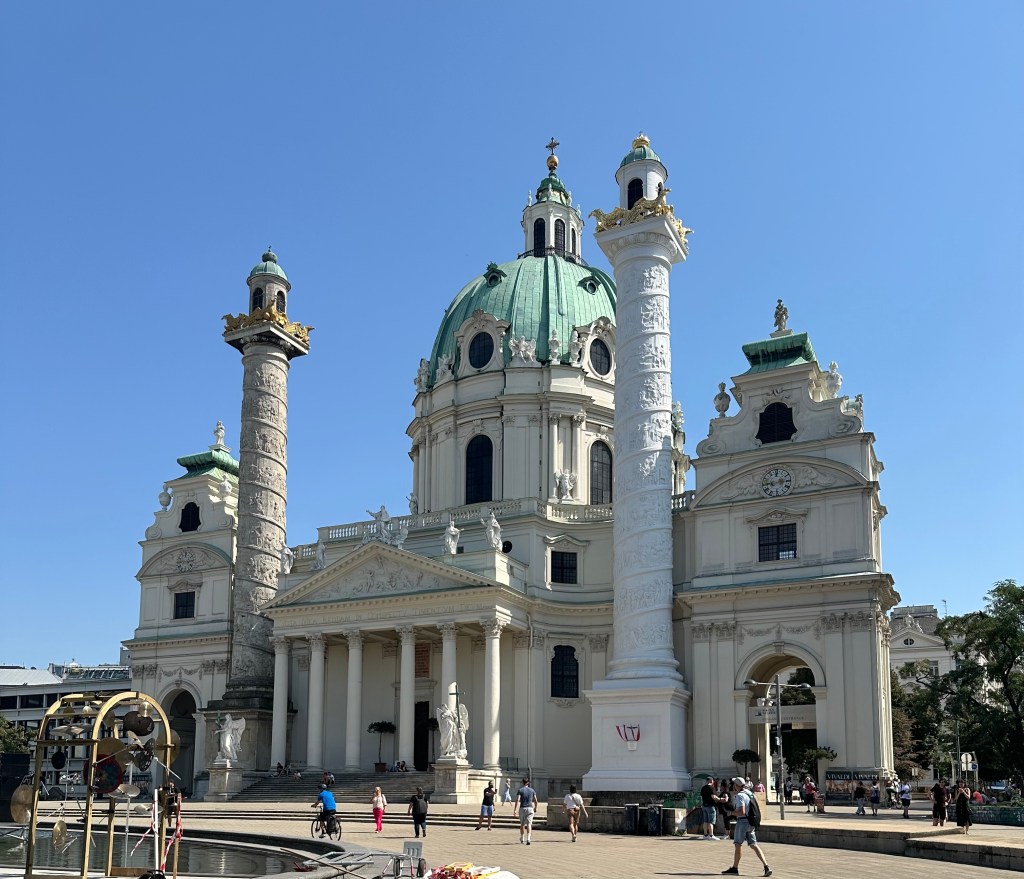
Few cities on earth have borne witness to as many world-changing events and cultural phenomena as Austria’s capital, Vienna. With a maze of history around every corner, it is a city defined by historical leaps and strides.
Back on the shores of the mighty Blue Danube, my summer journey this year took me on an adventure to discover the Austrian capital’s historical and cultural layers as well as peek at the city’s modern heart.
A City of Royal Finery
Alighting at Stephansplatz, my trip began in the capital’s historic centre. Dominated by the 12th-century cathedral named after St. Stephen, the surrounding boulevards feature plush buildings from the 17th, 18th, and 19th centuries, denoting Vienna’s importance throughout European history. Here, the heavy summer crowds occasionally give way to the gentle meander of the horse and carriages that echo visions of a different time.
Making my way through, it wasn’t long before the Austrian hub of power came into view. A masterclass in Baroque architecture, the Hofburg, former seat of power to the Habsburgs, is a sprawling complex of palaces-turned-museums, each focusing on a distinct aspect of the royal collection. Through the imposing Outer Castle Gate, on the side closest to the MuseumsQuarter, is the underrated Neue Hofburg. A three-in-one feature deal, it offers a vast array of collections ranging from their influences overseas to a series of historical musical instruments. Its highlight, however, is undoubtedly the floor dedicated to Hofjagd und Rüstkammer, the imperial armoury collection. Within its many rooms, battle fashion, plated with gold and silver, fights it out over who has the most ridiculously patinated protective wear.
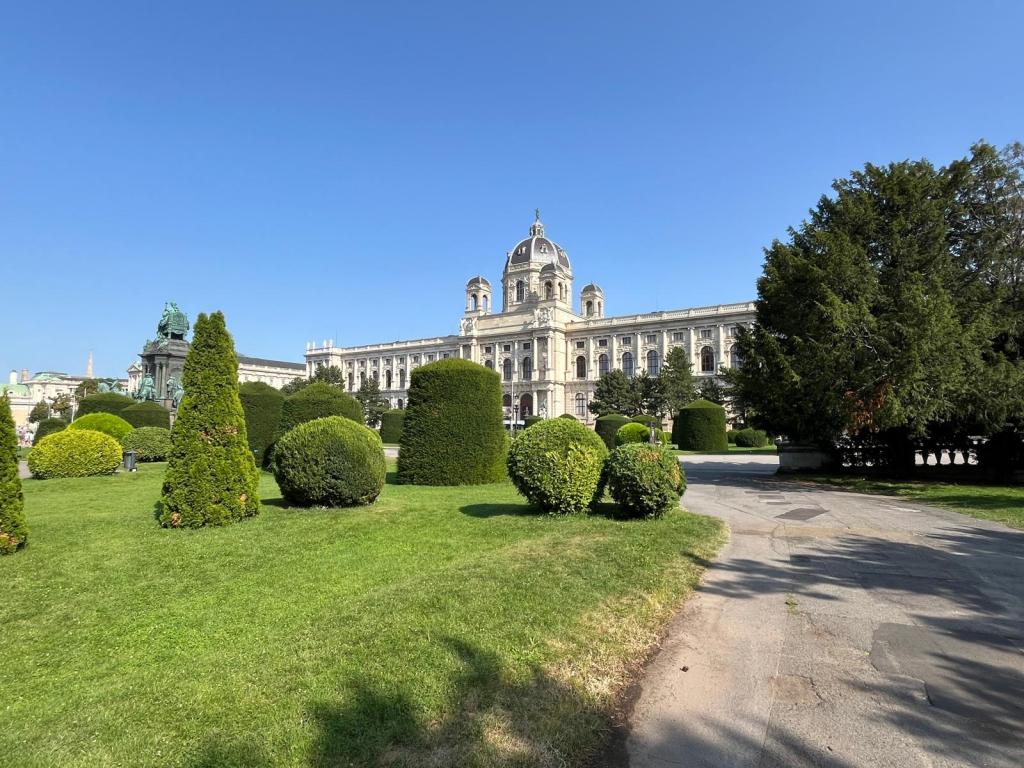
The palaces and residences of Austrian royalty extend beyond the influence of the Hofburg. Across the street is the formidable Kunsthistorisches Museum, built specifically to house the royal family’s extensive art and archaeology collection. Amassing an impressive number of exhibits (the Egyptology section sports 18,500 objects alone), it is almost overshadowed by the palace’s interior, which matches the beauty of the masterpieces it houses. Lavished with marble as far as the eye can see and decorated with murals by several famous Austrian artists, including Klimt, the mind boggles at the amount of money Emperor Franz Joseph threw at the project.
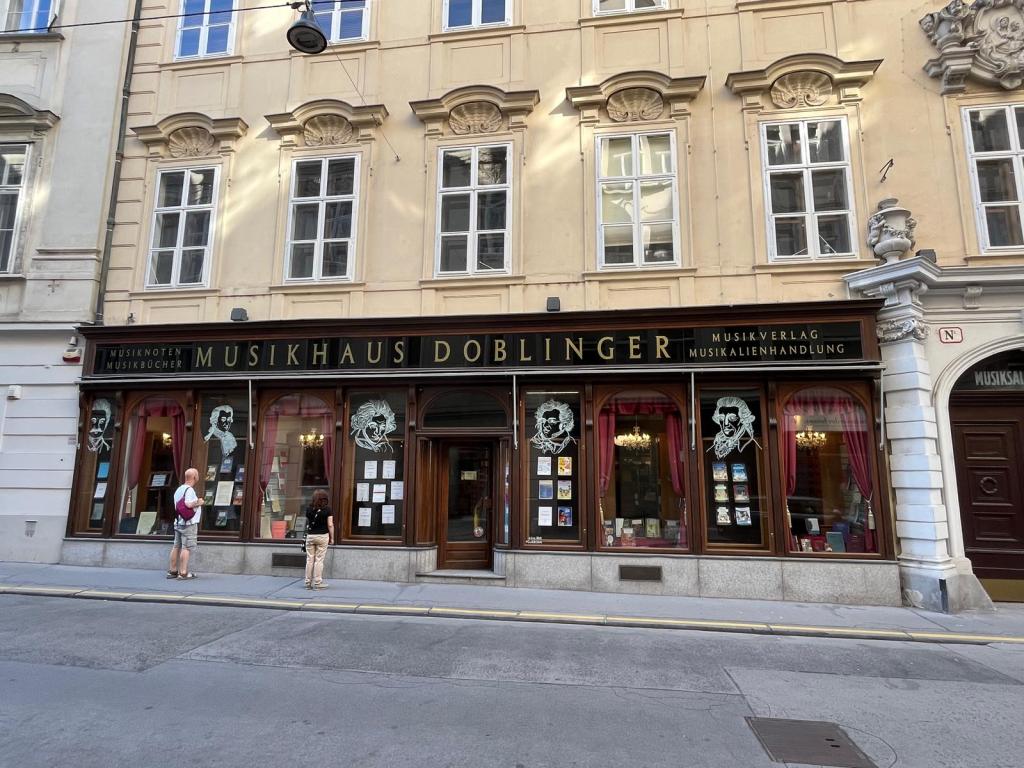
Investigating the historic centre further, evidence of the city’s royal past can be found throughout. The Albertina Museum is neatly tucked within the grand, former royal residences. Tightly focused on 20th-century art and art from the Austrian Bohemia, its two floors of exhibits offer an interesting excursion when you’ve had enough of the centre’s crowds. Albeit not a part of the Habsburg dynasty, Vienna’s historic centre is also home to a very different type of Austrian royalty. Located in one of the city’s many little alleyways is the Mozarthaus, where the famed composer, Wolfgang Amadeus Mozart, spent two years of his life. Disappointing inside, the main attraction with this museum is the building itself, as there are very few original exhibits housed on-site.
Further afield, the compact streets of the historic centre make way for parks, gardens and (you guessed it) more palaces. Enjoyed by Vienna’s present-day inhabitants, these areas were well-known for being royal haunts. Chief among these is one of the city’s most recognisable sites, the Belvedere Palace. Watched over by several strange Sphinx statues, it’s difficult not to draw parallels with France’s Versailles. An exercise in excess, it was built during a period of prosperity for the empire after its successes against the Ottoman Empire.
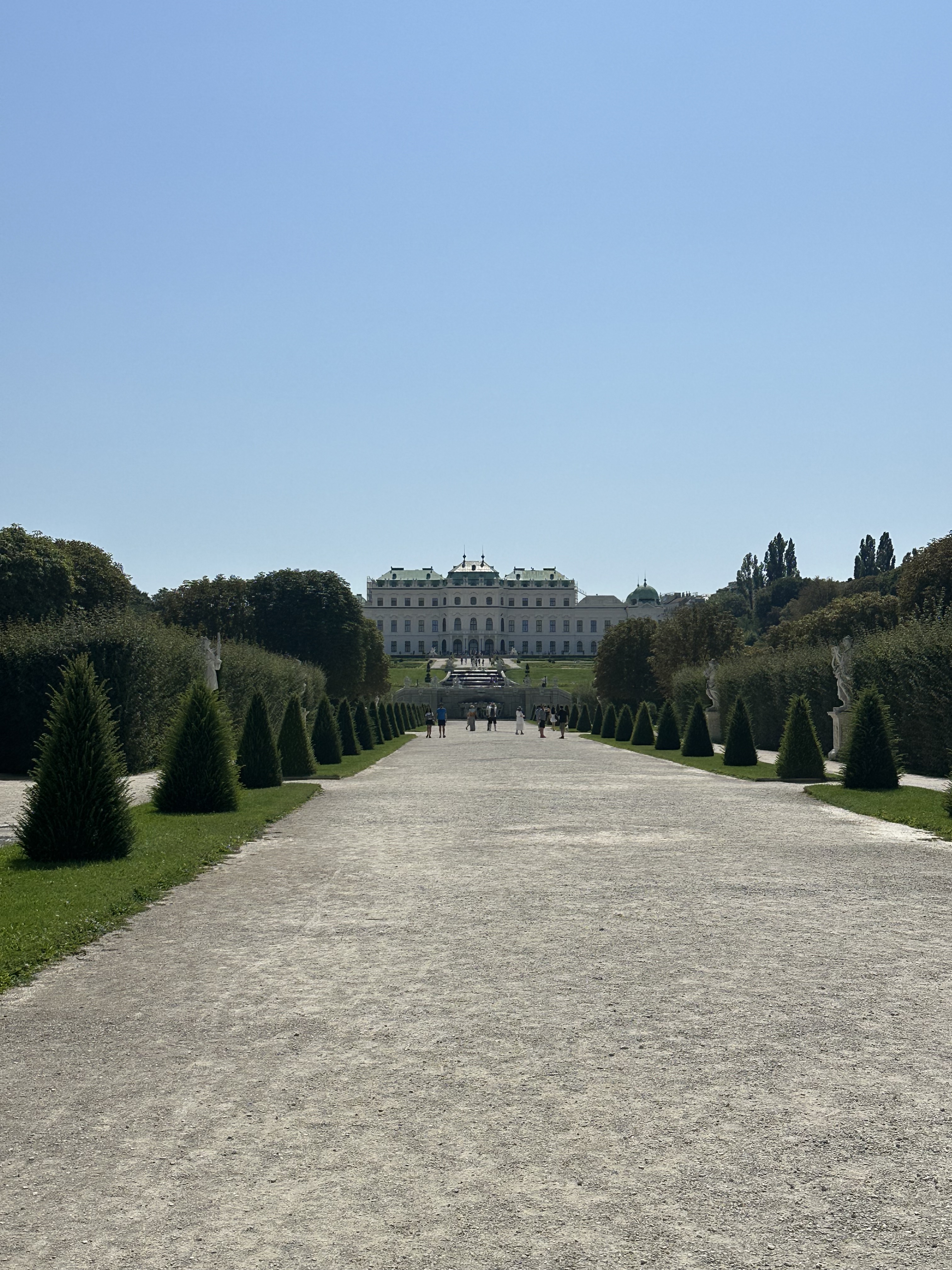
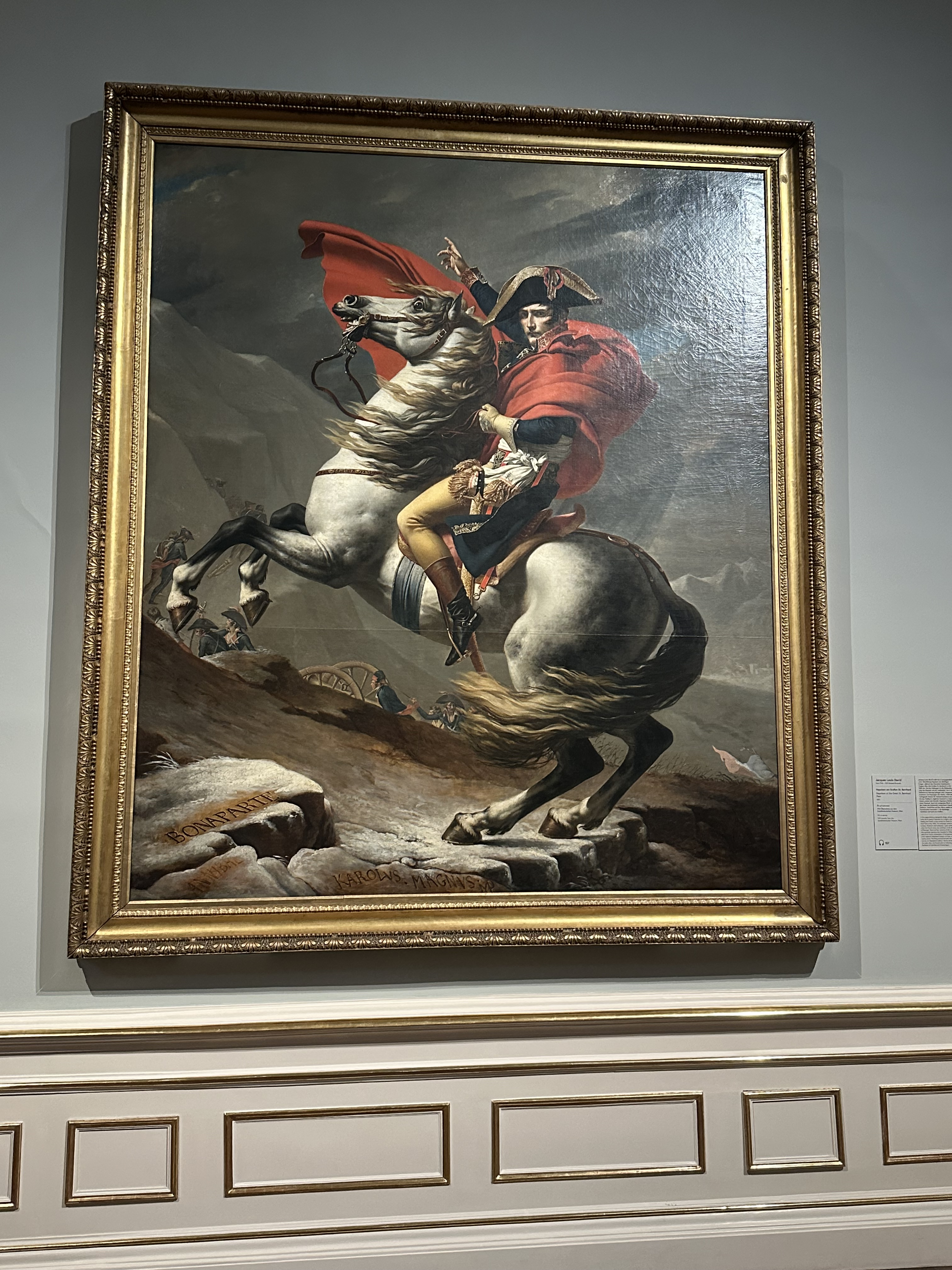
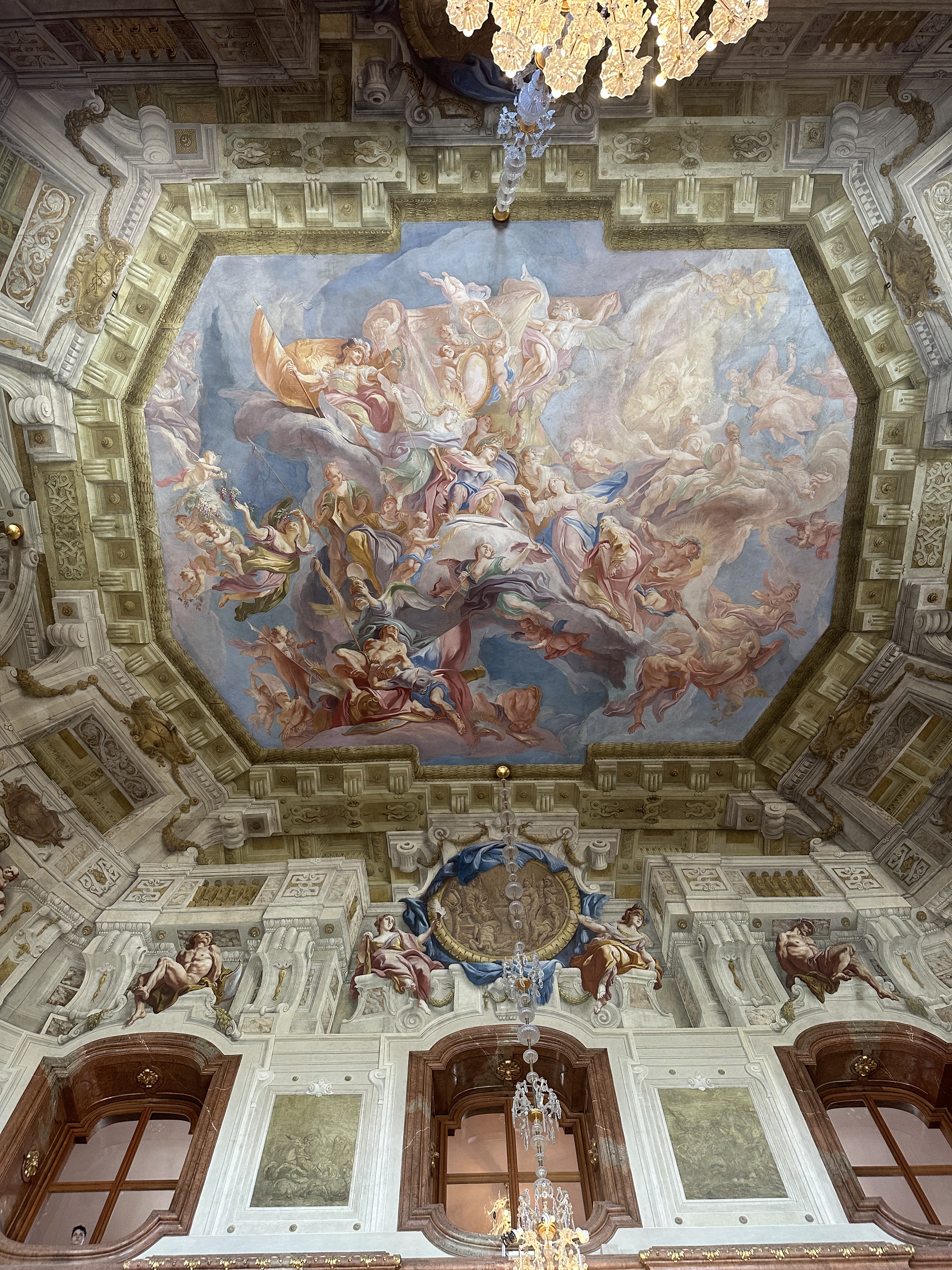
Presently, the palace is one of the country’s leading art museums, featuring pieces known worldwide, including Klimt’s The Kiss and Napoleon Crossing the Alps by Jacques-Louis David. A short walk away from the palace is the stylised Baroque church, Karlskirche. Dedicated to a saint who helped heal plague victims, the church is immaculately decorated in much the same fashion as Vienna’s many palaces.
A City Under Revolt
Despite Vienna’s current immaculate appearance, it hasn’t always been plain sailing for the city. Look hard enough, and you’ll find reminders of battles and uprisings fought within the capital.
Between 1848 and 1849, the city fell under the iron fist of Klemens Wenzel von Metternich. During his leadership, the once prosperous nation turned into a police state where freedoms were regularly crushed. As a result, Viennese society went underground and out of sight.
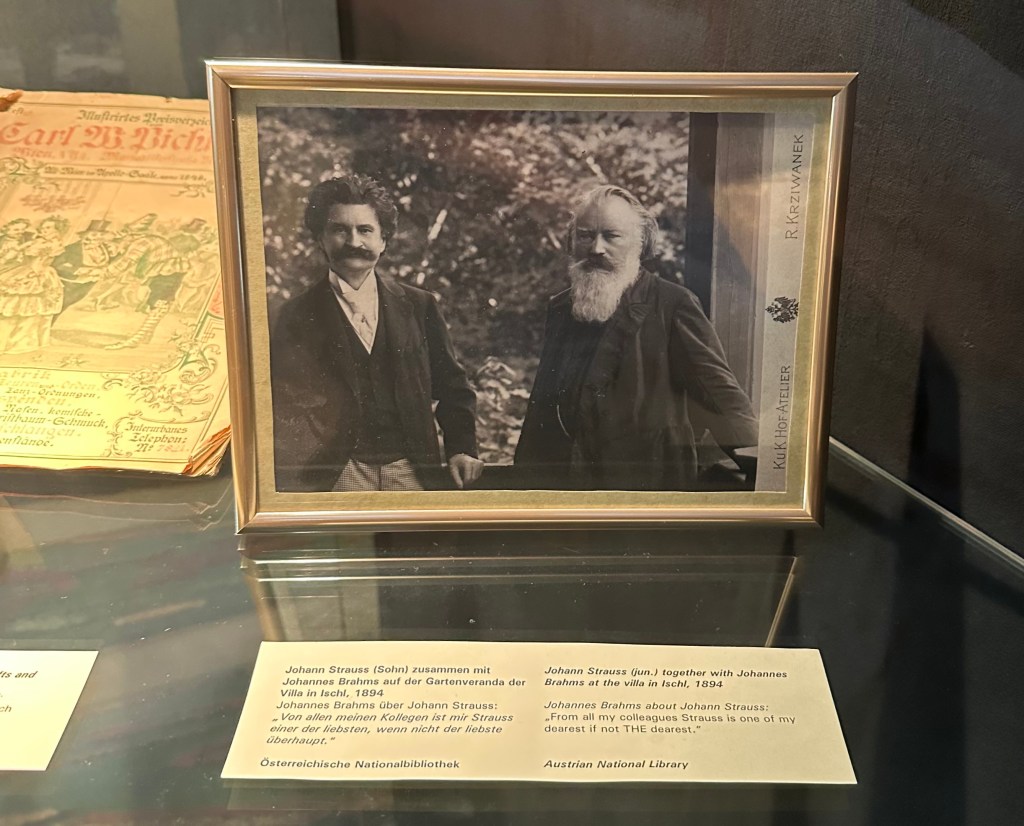
Offering a fresh perspective on the conflict is the Johann Strauss Museum – New Dimensions. Huddled between the old town and the Belvedere, the museum creates a multi-sensory experience surrounding the life of Austria’s bohemian superstar. Johann Strauss II’s early life and career were associated with rebellion. Discouraged by his musician father from pursuing a music career, he disobeyed and took up composing and performing in the underground scene at the time. Taking the side of the revolutionaries, the waltzes he composed became a vehicle in the fight against the people’s oppressors and were performed at many Viennese music venues, including the Staatsoper and Musikverein. As the tensions softened, however, Strauss was viewed more favourably by Viennese high society and offered musical roles that came with royal honours. During this period, he composed some of his most famous works, including the Blue Danube waltz and the comedic operetta Die Fledermaus.
The revolts against Metternich weren’t the only battle going on in Vienna at the time. The capital’s café scene had witnessed a bitter war (although with nowhere near as much blood spilt) over the invention of the Sachertorte. Two layers of chocolate sponge split by a thin spread of apricot jam and covered with a dark chocolate glaze; it had been the subject of contention for years before a deal was met between Café Sacher and Demel.

Perhaps rather sacrilegiously, my taste of this chocolaty treat came from the kitchens of Café Demel. Presented with all the bells and whistles, it mimics a taste of the finer life for a fraction of the price.
The City, The Succession, and Green Art
By the end of the 19th century, a relative peace in the region allowed for art and culture to flourish. As a central hub at the time, Vienna hosted countless cutting-edge cultural movements—but none more important than those surrounding the Vienna Secession. Featuring a group of Austrian Art Nouveau artists, their aim in creating the Secession was to counter the conservative Viennese culture of the time. Their success is palpable in the city, and their influence can be felt across the capital.
Under the sweltering rays of the summer sun, my first encounter with the movement came from within the MuseumsQuarter. A purposefully designed cultural district, it features several museums and 50 cultural initiatives, one of which is the Leopold Museum. Offering an unequalled introduction to the Secessionists, its four floors are filled with beautifully displayed exhibits as well as plentiful information about each member of the movement.
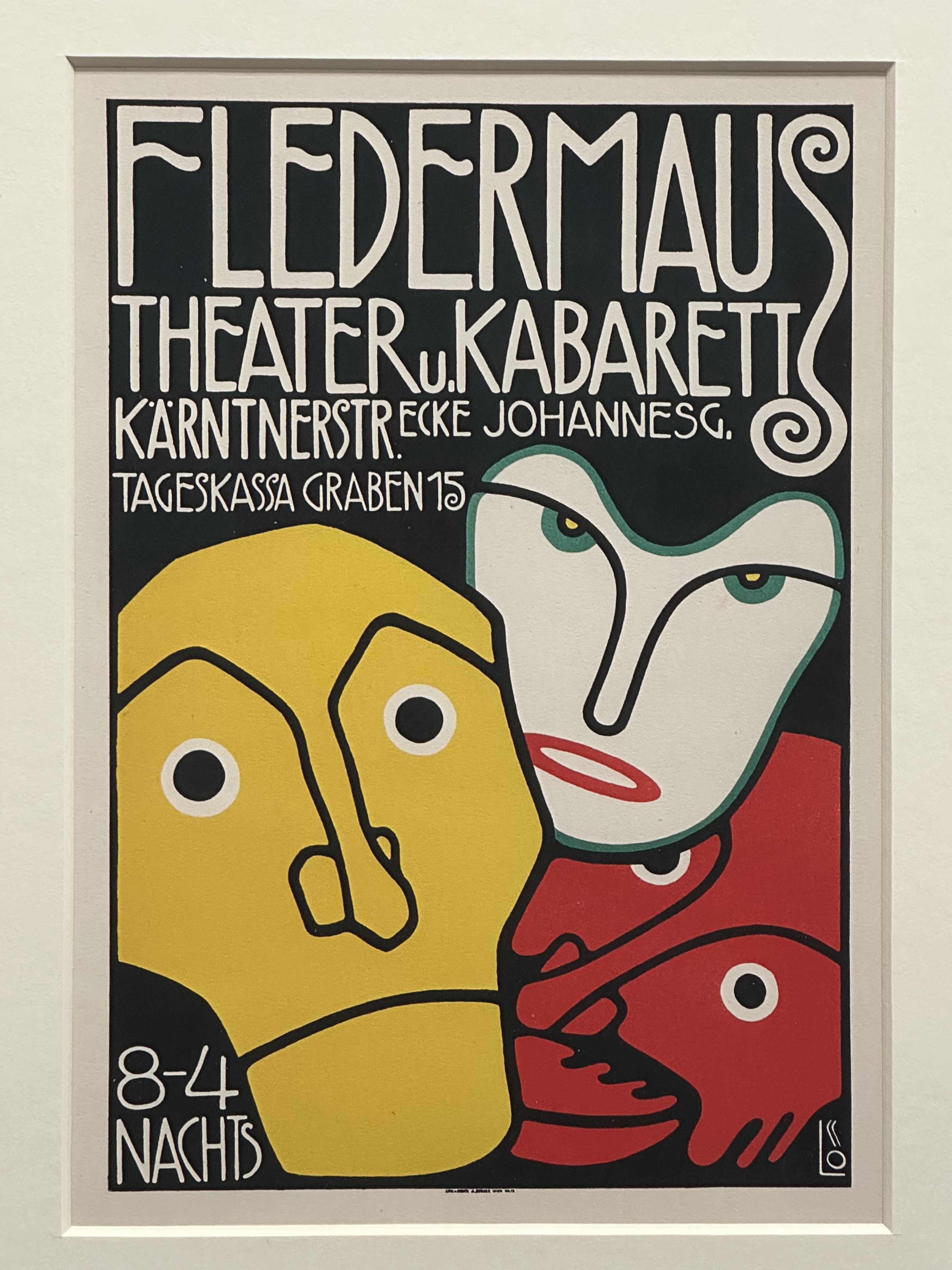

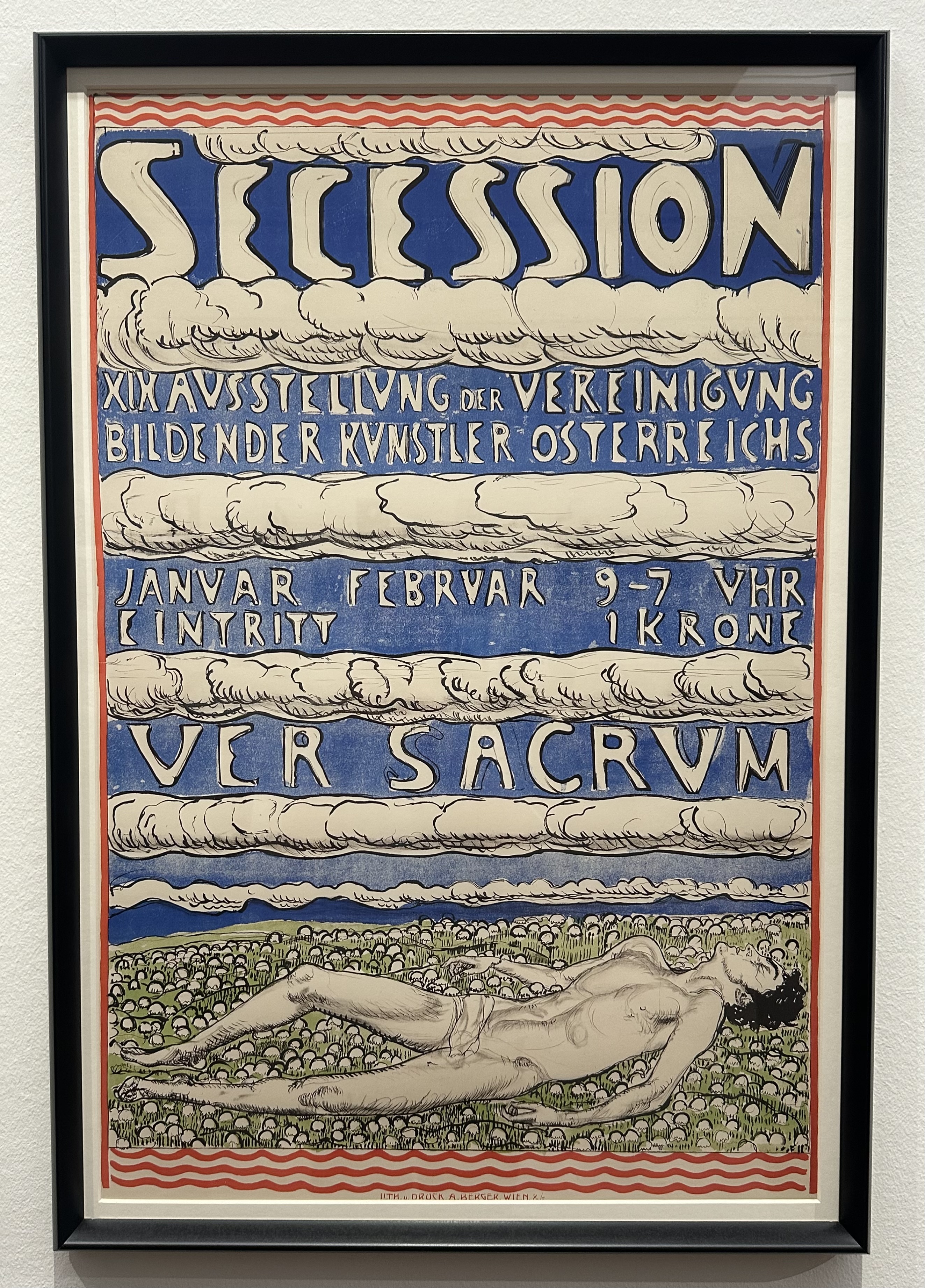
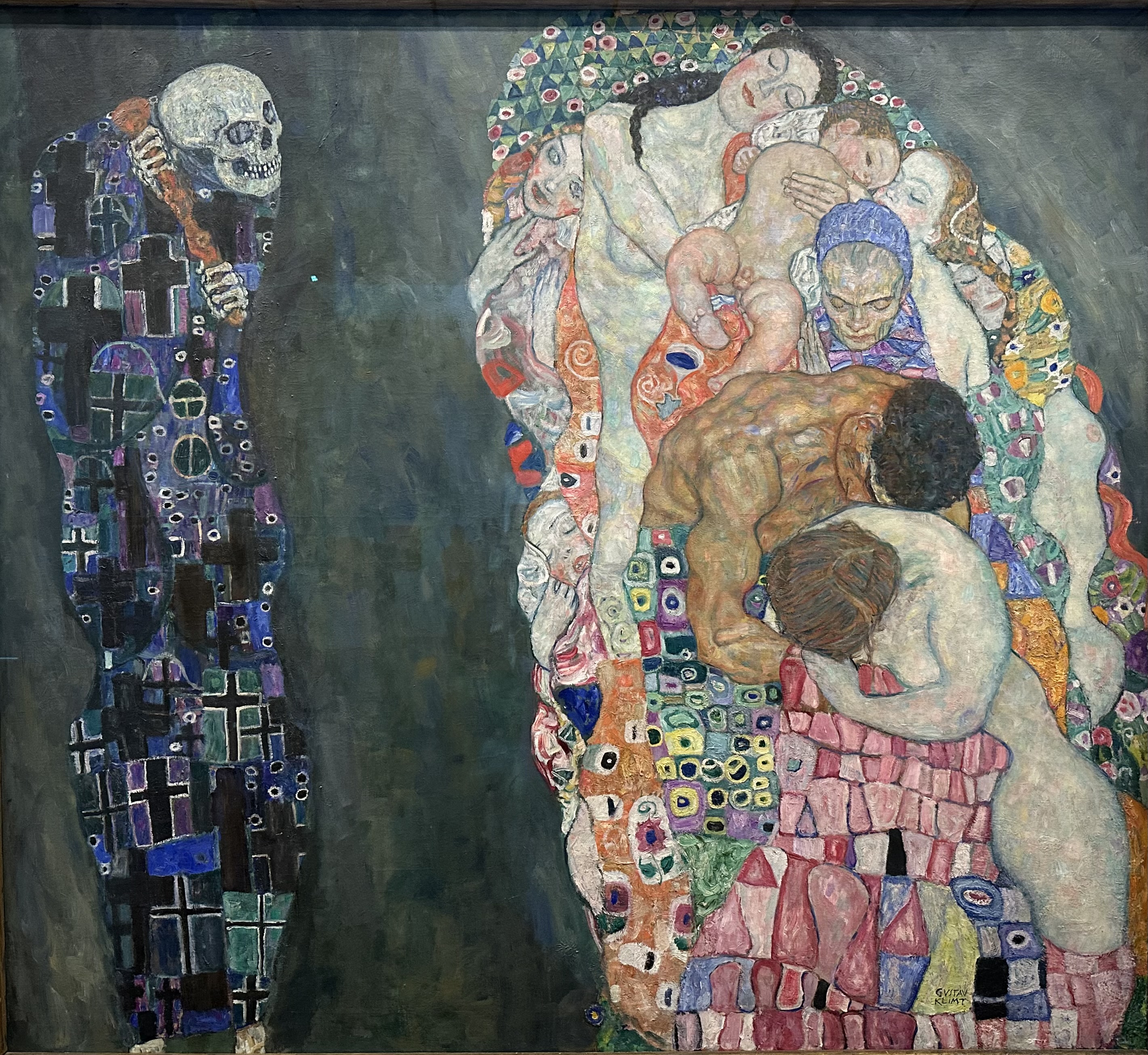
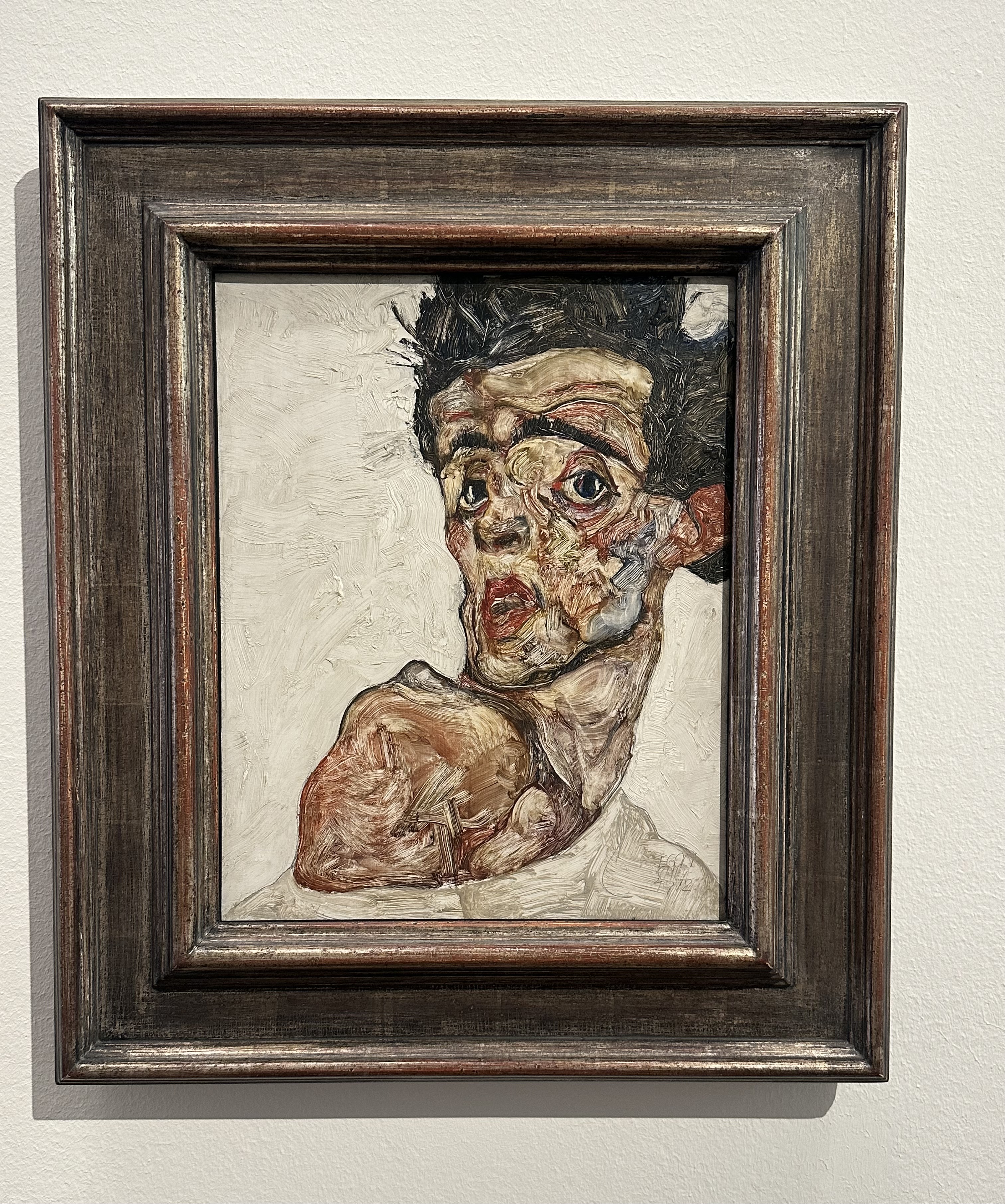
The Secessionists, however, were not content with only creating on canvas, and their movement dabbled in all sorts of art forms. Under the direction of Joseph Olbrich, the official Secession Exhibition Hall was born in 1898. From the outside, this building sports an impressive façade. The building bears all the hallmarks of its association with the Secessionists, complete with myriad intricate designs made with gold foil. Unfortunately, the exhibition’s interior is a bit of a disappointment. Aside from Klimt’s Beethoven’s Frieze fresco in the basement, you’d struggle to find the movement’s influence elsewhere within the building.
Not far from the exhibition hall, the Arnold Schoenberg Center shows the cultural scene of the Secessionists through a new lens. Hidden within a seemingly ordinary office building, this one-room museum showcases the life and works of the Second Viennese School’s leader, the composer Arnold Schoenberg. For a small museum, this cultural centre punches well above its weight. Its exhibits help widen the perspective of the extent of the inner connectivity between the art and music worlds at the time. Schoenberg’s phone book and extensive letters reveal an in-world of cultural rebellion and celebrity that could rival any A-list event today.
Moreover, the museum movie gives an informative look at the composer beyond his foray into twelve-tone music (a style of music where each note of the chromatic scale is played equally). With a specially curated selection of his works, it reveals a composer completely at home with the romantic as well as telling musical jokes.
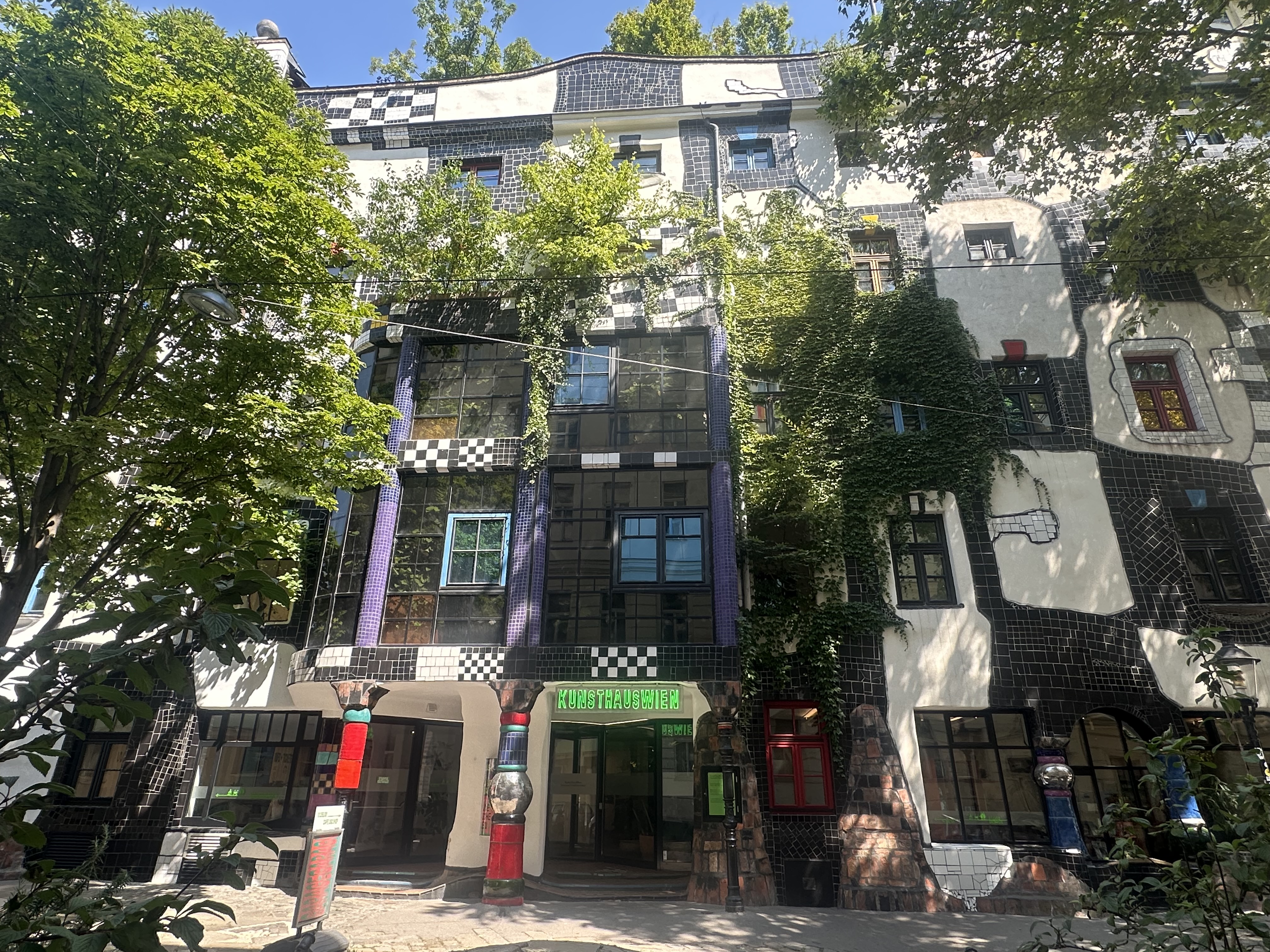
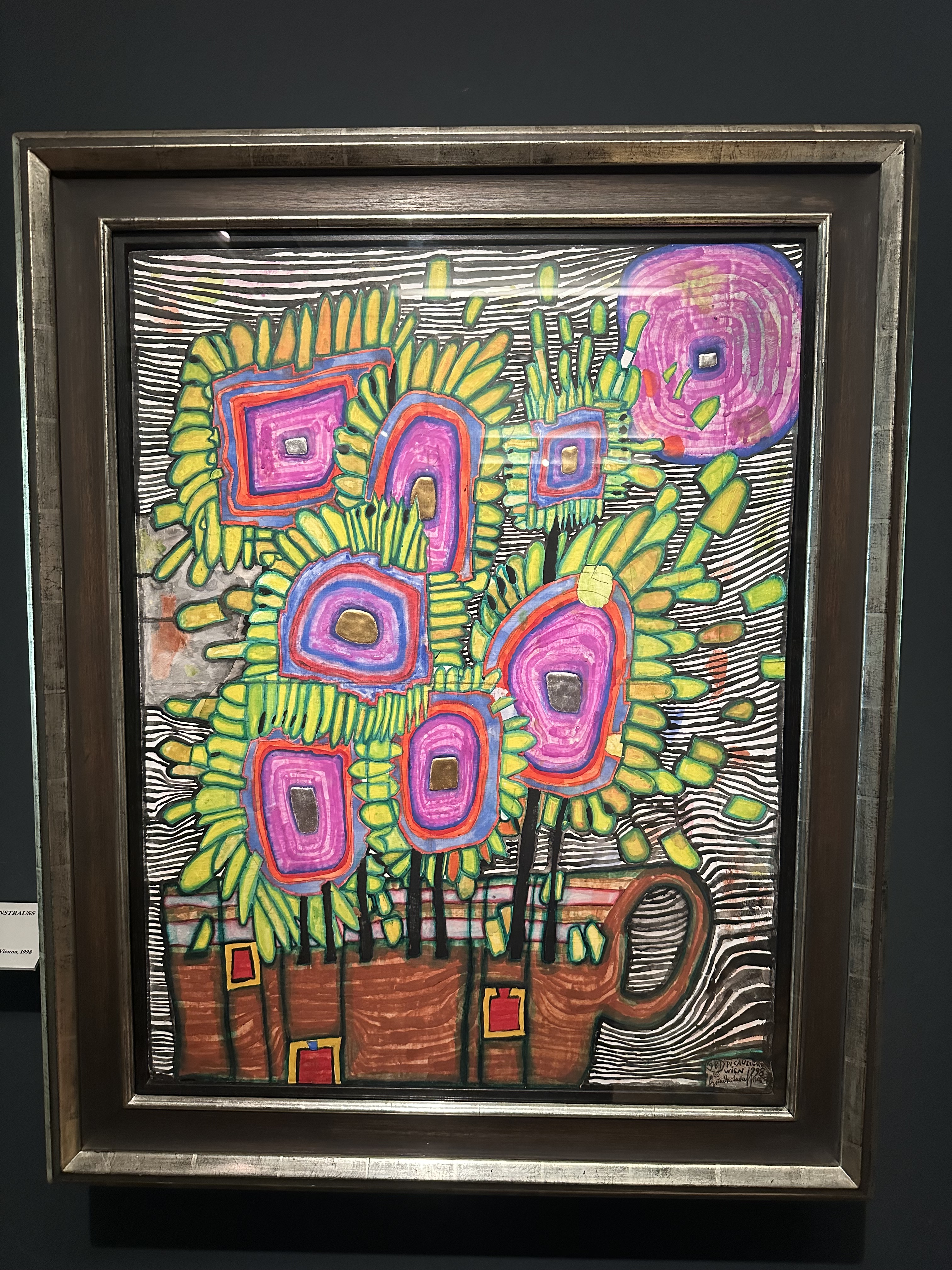
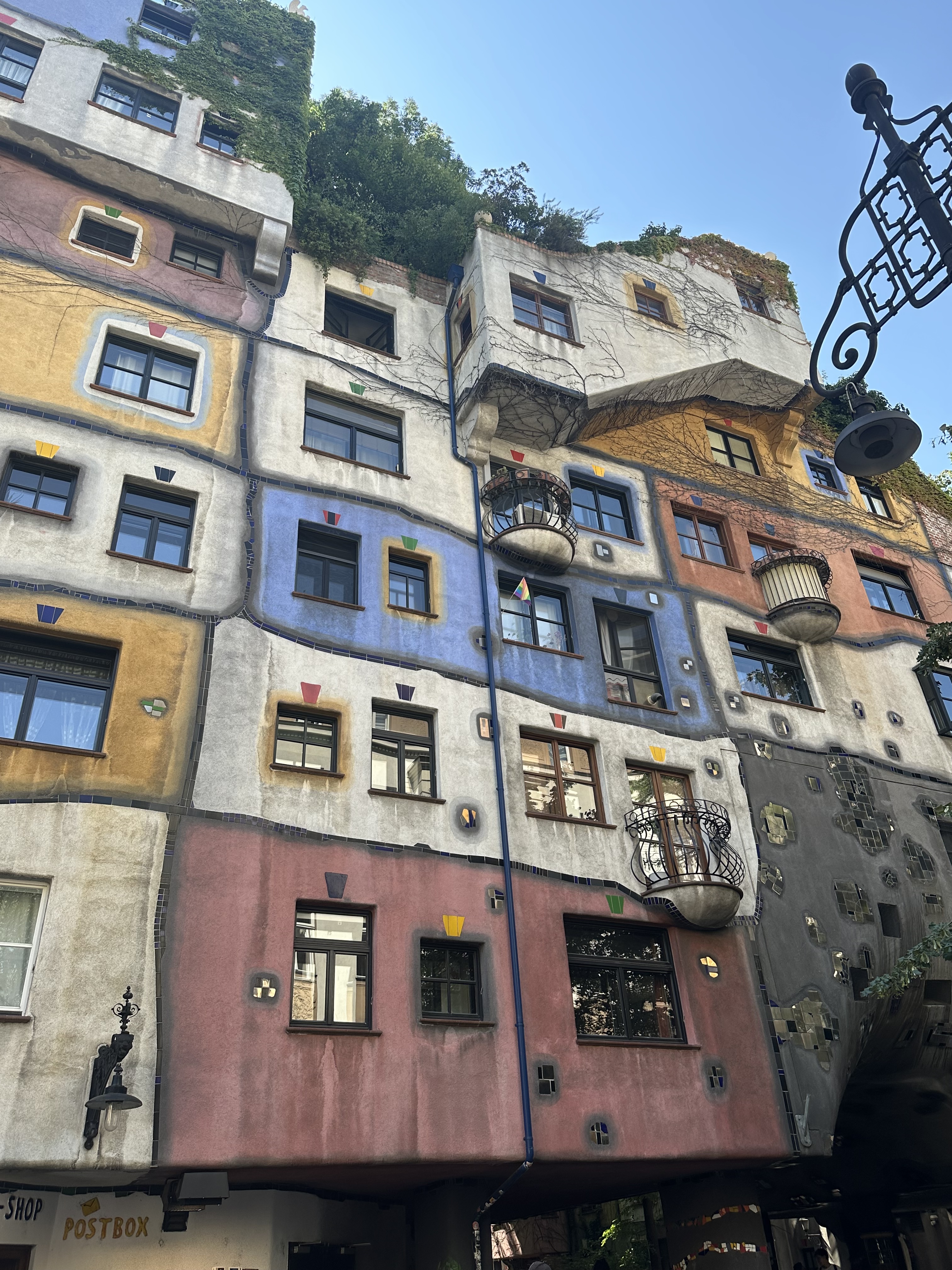
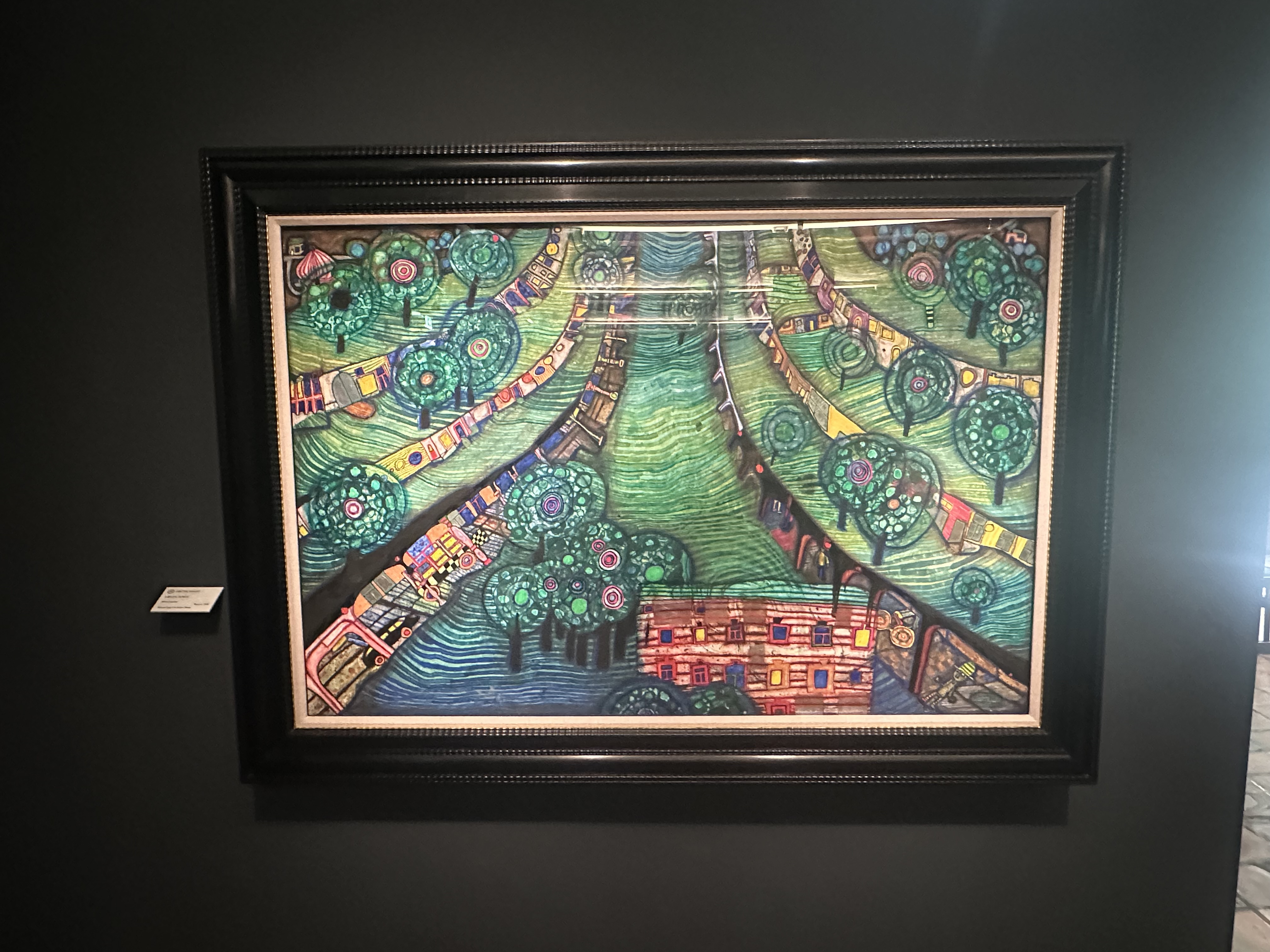
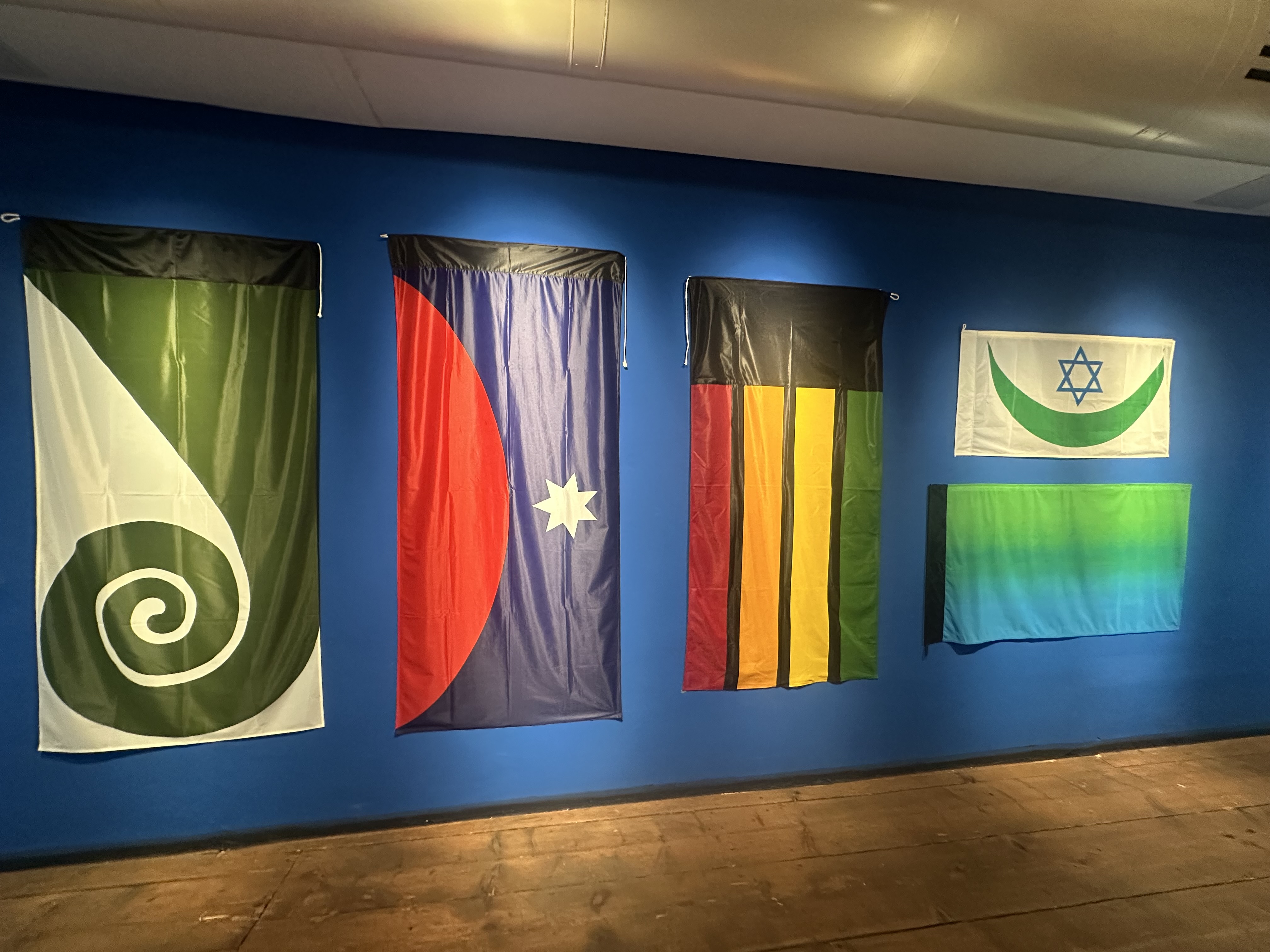
Along the quieter, shaded streets away from the centre of town, two strange buildings of wild shapes and colours represent a totally different artistic movement. Kunst Haus Wien and the Hundertwasserhaus and Village are the most accessible of Friedensreich Hundertwasser’s imaginative architectural designs. An activist for a greener future, his works and monuments echo these sentiments with a focus on nature and the environment. His penchant for bright, vivid colours and a hatred of the straight line feature prominently in all his works and are a breath of fresh air amidst the sometimes-stuffy classicism of the city. Much like the Secessionists before him, his divergence from the cultural norm has woven its place into the city’s rich societal tapestry, playing a role in Vienna’s modern-day form.
A Snapshot of Everyday Vienna
Rich foundations and a society that has embraced cultural boundary-pushing are only a small factor in why Vienna has achieved the high accolade of being one of the world’s most liveable cities. To understand what makes the city great for its everyday residents, and not just its tourists, I decided to stay away from the capital’s tourist hotspots.
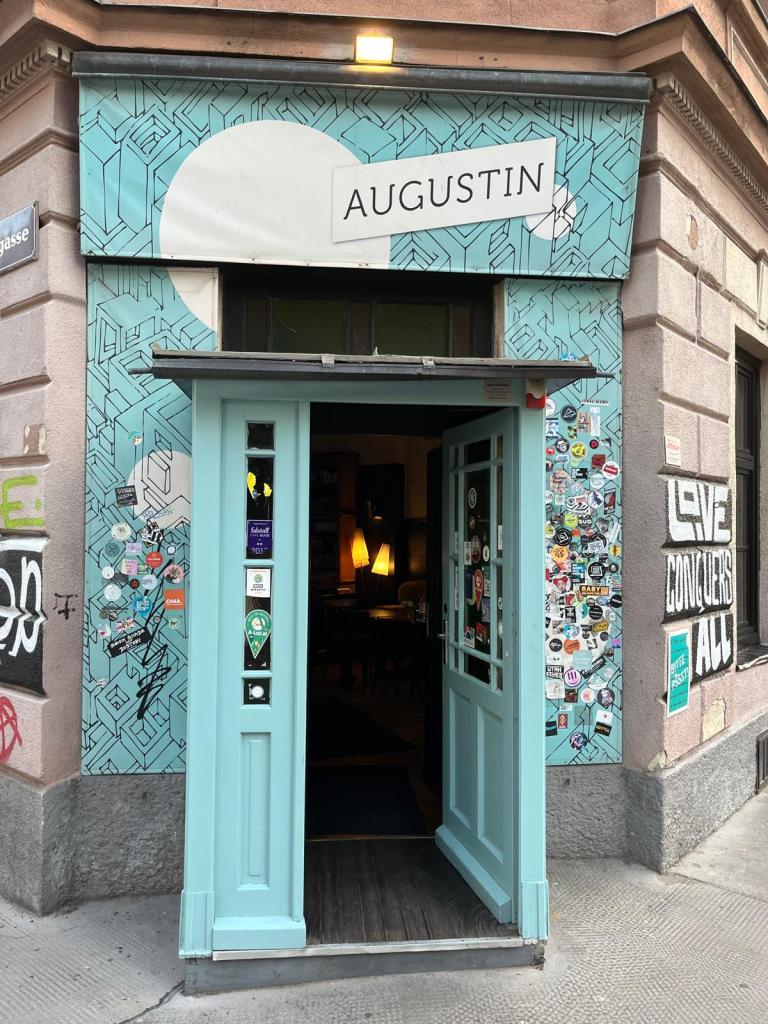
Fifteen minutes by metro from the heart of the action, the district of Rudolfsheim-Fünfhaus barely sees any of the tourist foot traffic that clogs the arteries of the historic centre’s boulevards. The area displays a distinct small-town charm, as its peaceful streets mix old neighbourhood bakeries alongside trendy, modern Austrian eateries where locals come together to socialise and enjoy unique twists on national classics. All of this is neatly wrapped by impeccable transport infrastructure that effortlessly connects the district to the rest of the city.
Vienna’s place at the centre of a once world-leading nation and epicentre for cultural strides makes it impossible to discover every single site and experience within 4 days. However, my choices to discover small snapshots of the city’s layered past and present have been a rewarding experience. The Austrian capital’s heritage is vast yet beautiful enough to rival any tourist powerhouse. I am sure that sometime soon, the shores of the Danube will draw me back to discover more.
What did you think about the new content? Would you like more posts like this? Share your thoughts by leaving a comment down below, and be sure to keep a lookout for the next instalment next week! Alternatively, you can help support the blog by donating through Ko-Fi.
Why not check out some of my other travel posts, which can be found Here.

 Faceless One Blog
Leave a comment