
It is a well-known fact that living somewhere often desensitises you to the wonders and beauties it has to offer. To my own shame, I’ve often been guilty of this myself, frequently forgetting to explore my native land in favour of more exotic locales further afield. So, when the call to travel once again came calling like a siren luring a lonely fisherman to his untimely end, I made a bid to change this mindset by setting myself on a journey to a city that I had never visited before: Worcester.
Starting early, the last breaths of the summer sun shone its way down through the shadow of the Malvern Hills as I drove onto the Elgar route. A stretch of country road lined with fields and ancient English villages, it is synonymous with the life of composer Edward Elgar (1857-1934), ultimately leading to the house of his birth in Lower Broadheath.
Edward Elgar is one of the UK’s most famous composers. Drawing influence from his natural environment and teachings under Germanic classicism, his compositions continue to endure within popular culture and the respected classical repertoire. Even if you don’t know their names, there is a high likelihood that you would instantly recognise his greatest hits, such as The Enigma Variations or Pomp and Circumstance.
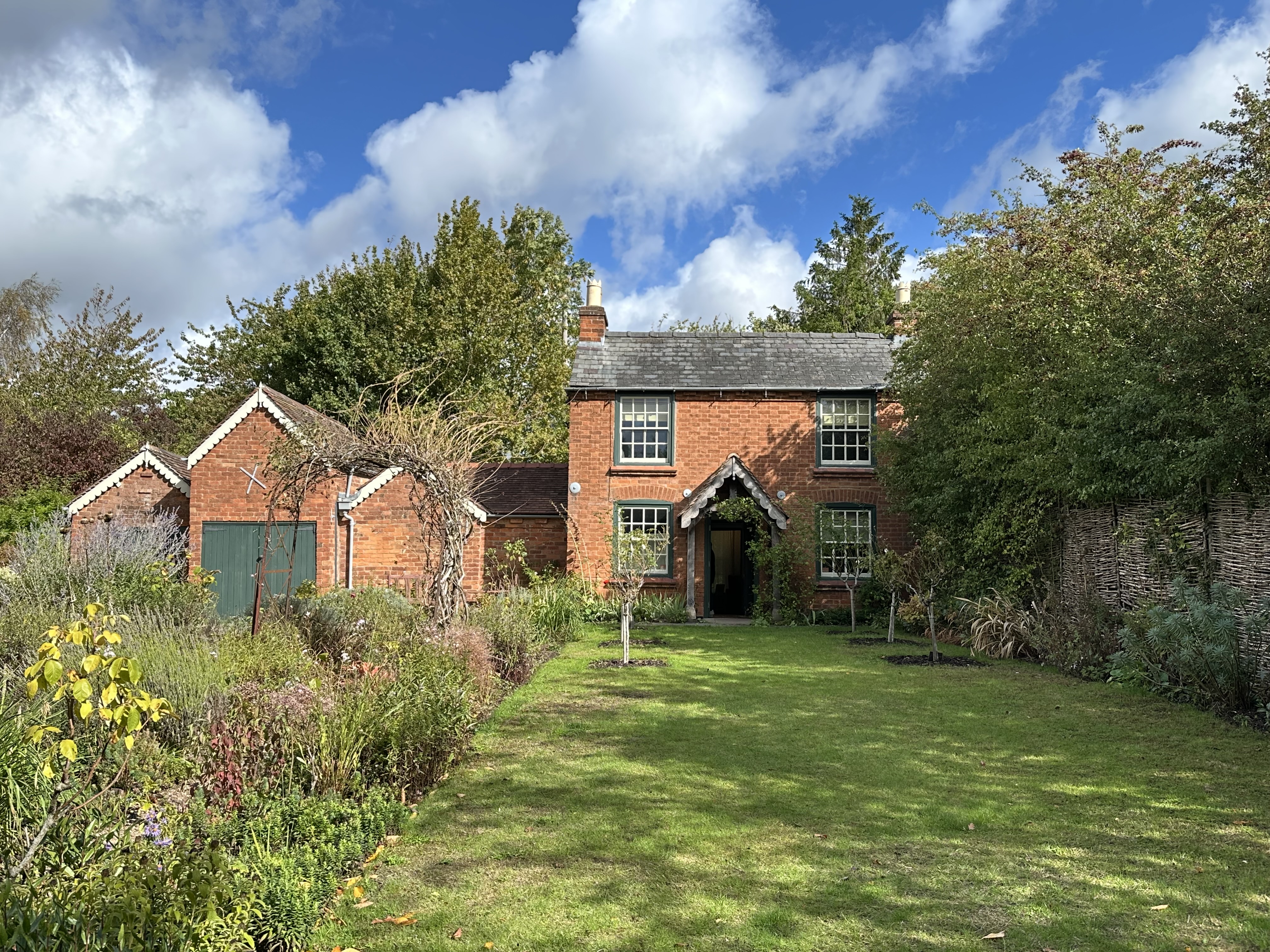
His birthplace, also known as The Firs, is a small 19th-century farmhouse lovingly preserved by the National Trust. Upon entering, I was surprised to find several knowledgeable volunteers guiding visitors into Elgar’s world with interesting little tidbits about the composer, including his revolutionary moves to become one of the earliest adopters of music recording.


With this knowledge on hand, I made my way through the front rooms and up the stairs. Once on the first floor, the exhibits hint towards Elgar’s private life. Something of a Renaissance man, he had plenty of academic interests outside of the music world, showing great interest in puzzles and science, both of which commonly appear in his musical scores. Outside the house, the gardens were also worth a visit. Beautifully landscaped, there is also an opportunity to take selfies with a life-size sculpture of the composer himself. After a mid-morning gander at The Firs, I doubled back onto the Elgar route towards my intended destination of Worcester.
Lapping the banks of the Severn, Worcester is an ancient city that has played no shortage of important roles in the United Kingdom’s history. Navigating its pedestrianised streets, the first port of call to investigate quickly became obvious.
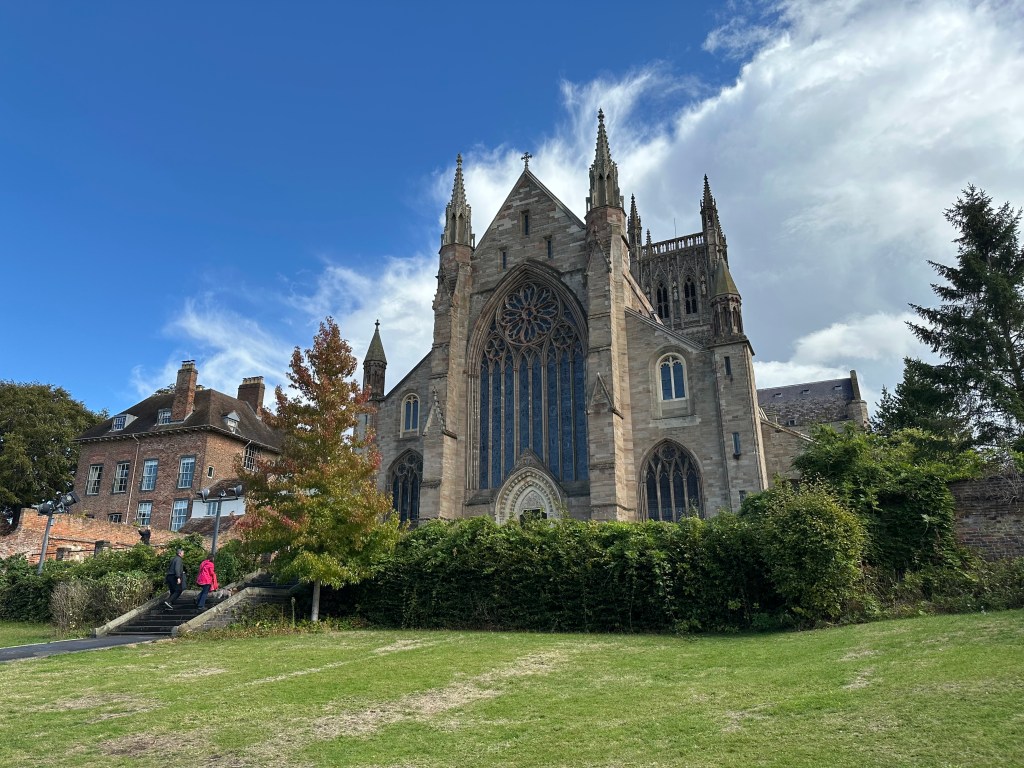
Towering above the Severn as if to shepherd its movement southward is the city’s medieval cathedral. Built atop the remains of two earlier Anglo-Saxon churches, the construction of Worcester Cathedral began under the instruction of St Wulfstan in 1084. Since then, the building has seen many iterations, with the most recent renovations undertaken during the 19th century. The grand façade of the cathedral is a spectacular sight, but what lies within is equally fascinating.

The cathedral holds numerous historical celebrities within its hallowed ground, from saints to pilgrims and even prime ministers, all of whom are buried in the cathedral’s crypt. The cathedral’s most famous residents, however, are of the royal variety and take centre stage at the vestry. At the centrepiece of the cathedral’s High Altar is the stylised tomb of King John, the villainous leader of Robin Hood and Magna Carta fame. At his side is the tomb of Prince Arthur Tudor, whose untimely death at the age of 15 allowed King Henry VIII to ascend the throne.
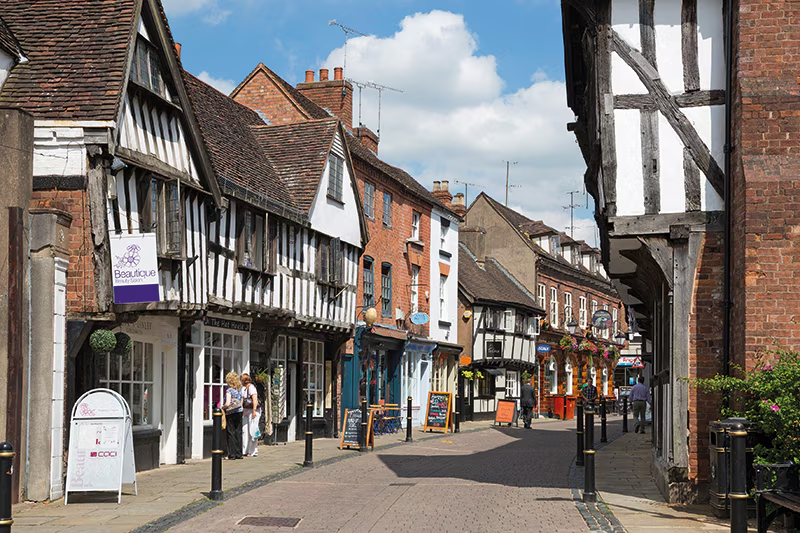
As a city steeped in history, Worcester continues to deliver on historical landmarks. Running parallel to the city’s main shopping street, Friar Street is one of the best-preserved examples of late-medieval and Tudor architecture in the country. Its quaint, cobbled roadway is shadowed by a number of the teetering abodes, with two open to the public, Greyfriars House and the aptly named Tudor House. While the former example requires a paid, guided tour, its sheltered garden and the Tudor House next door are both free to enter.

The city’s history lessons continue away from the historic centre. A short walk from Friar Street would open my explorations into the brutal world of the English Civil War, marking the highlight of my trip. As the city that saw both the start and end battles of the war, the scars they left behind can be felt throughout. However, it is no more exemplified than at Charles II’s former command post, now a museum known as the Commandery.
A sprawling complex set within a historic, timbered house, the museum is more like several in one. Following the map provided at the welcome desk, the path starts at the Civil War portion of the museum. A highly personal war that often split family members between Royalist and Republican loyalties, the exhibits do a great job of conveying this, as they detail the final battle of the war that secured Oliver Cromwell’s victory and saw Prince Charles forced to make a quick escape before his eventual exile to France.

The museum continues to fascinate with exhibits depicting a typical Tudor house and hall, before finishing in rooms dedicated to the building’s history as a monastic hospital. In this section of the museum, several curious wall drawings can be found that illustrate ancient medical procedures.
After visiting the Commandery and before leaving for the day, there was just enough time to explore the present-day parts of the city. Unlike many of the UK’s towns and cities, Worcester has found itself relatively unscathed from the effects of the death of the high street, and it still sports a vast array of independent shops and restaurants. Building my strength for the return journey home, I decided on a modern fusion restaurant (HANBAO), whose strange, club-like entrance gives way to a feast of Asian spices fused with modern American cookery.
Ending the day on a high, my journey to Worcester had been a transformative one. With my sights firmly set on other locations within the UK, it won’t be long before I choose another staycation.




 Faceless One Blog
Leave a comment