
Being lucky enough to get some more spare time this month, I decided it was high time to head off on another adventure. Having already splashed quite a bit of cash throughout the year on other destinations and with Christmas just around the corner, however, I challenged myself to find the cheapest flight I could get at short notice. What I found was a two-day adventure to the Capital of Europe: Brussels.
Not a city break I’d ever considered before, doing a little research on Belgium’s capital had left me wondering whether I’d made the right choice. Opinions from visitors and residents alike on the city are mixed, with words like ‘ugly’, ‘dirty’ and ‘boring’ being the main takeaways. Fortunately, I found that there was plenty to enjoy about Brussels. Sure, the city is never going to win a beauty contest (the country already has places like Bruges and Ghent for that), but its jumble of architectural styles brings with it an understated charm and undisputed edge.
Beginning my adventure with the heart of the city, I set out to explore the historic area surrounding the Grand Place. Greeted by the bitter winter cold, though, the allure of a sweet and warm gaufre beckoned. Although abundant throughout the centre, hunting for that perfect chewy waffle led to a small establishment in one of the little alleyways away from the main square. Despite its unassuming exterior and 70s greasy spoon aesthetic, Le Roi de la Gaufre knows exactly what it’s doing with this famous Belgian snack. Creating traditional Liege-style waffles, they offer a ridiculously large range of toppings, which go down a treat whatever the weather.
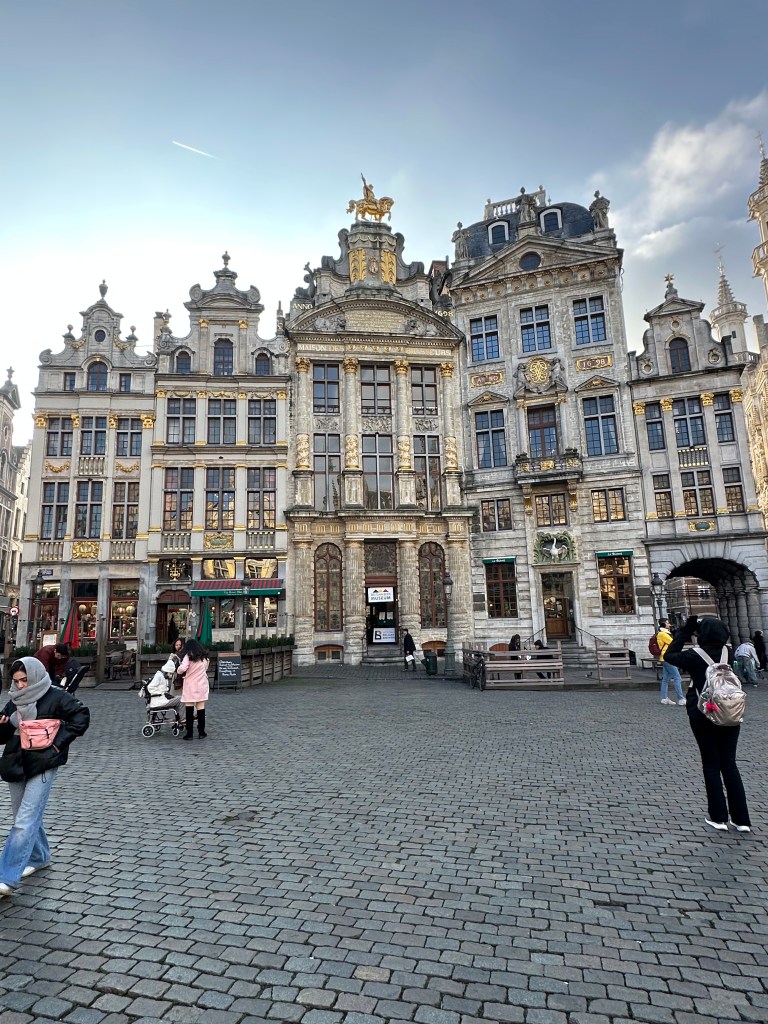
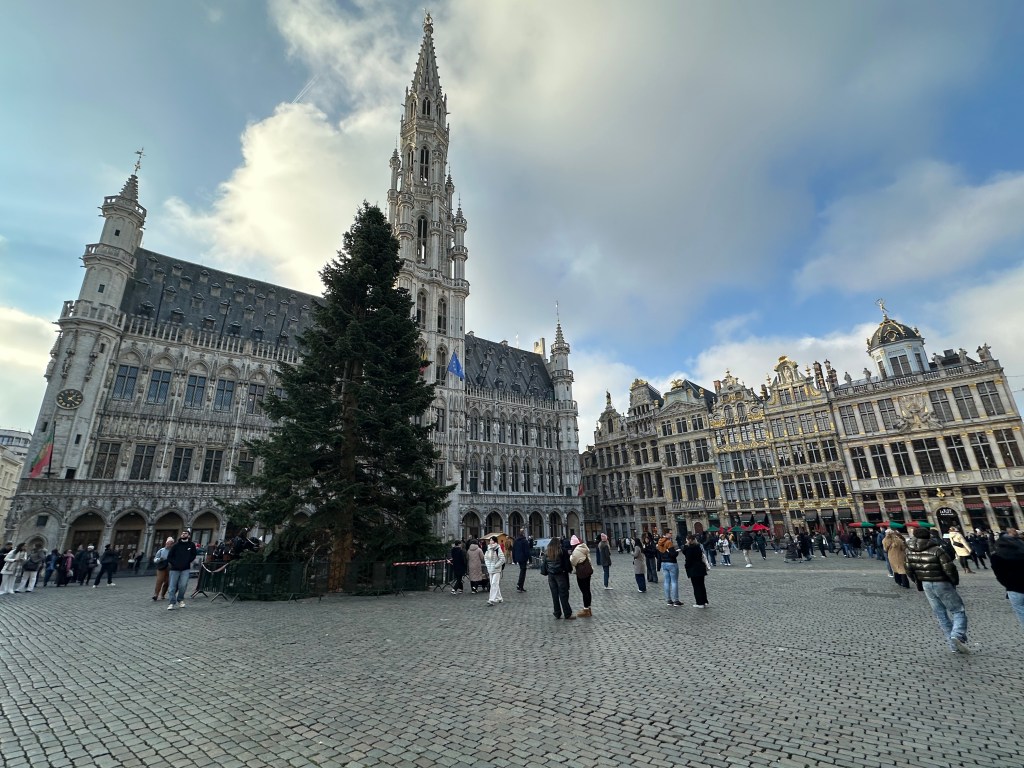
Fully energised, I decided to take things slow. As such, I spend most of the morning (and some of the afternoon as well) meandering through the historical centre’s many pedestrianised shopping streets and arcades. Covering quite a large area, you’ll find everything from independent shops to souvenirs and even chocolatiers giving away enough free samples to make even the most hardened chocoholic feel sick. Eventually managing to pull myself away, the draw of the Hôtel de Ville’s spire took me towards one of the city’s most well-known attractions, the Grand Place. Dating back to the 14th century, these ornately decorated, UNESCO-listed buildings are well worth a visit, despite the level of crowds that congregate to gawk and take selfies.
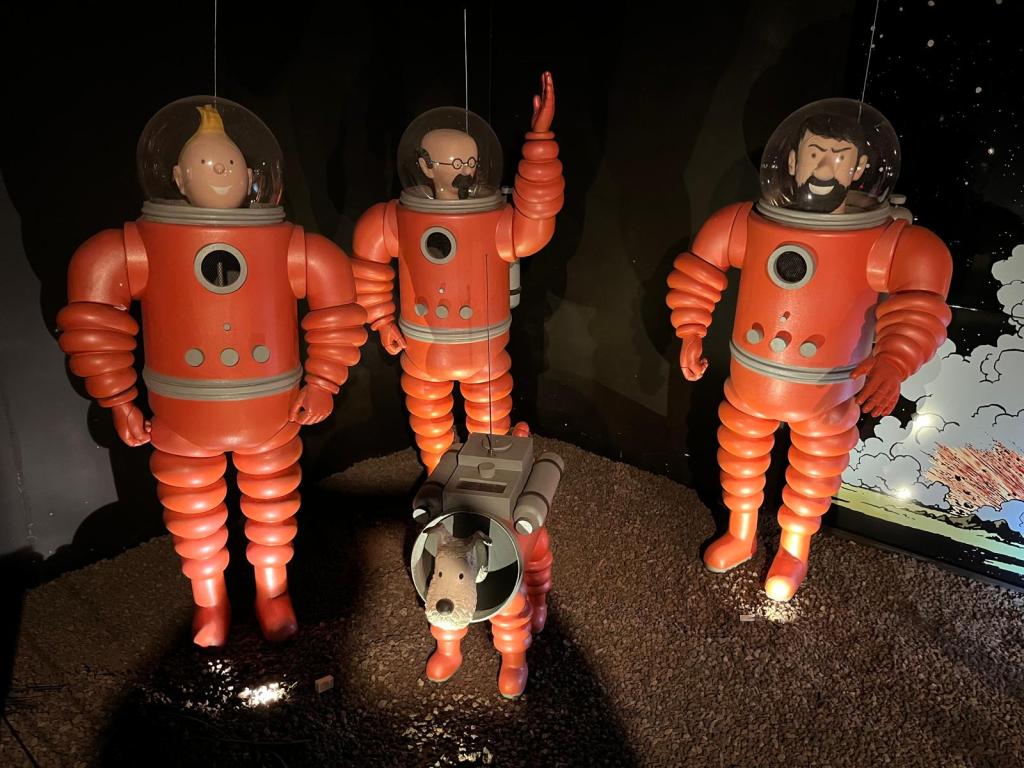
Walking east, the shops’ and main square’s overwhelming grandeur make way for the museums and monuments close to the city’s central station. The most striking of these monuments is the capital’s gothic cathedral, dedicated to St Michael and St Gudula. Built on Treurenburg Hill, once considered the most important point in Brussels, it is a stunning example of religious architecture from the period, with its highlight being the twelve apostles who guide visitors towards the central pulpit. This area is also home to one of the country’s most famous exports, comic books. The city’s COMICS Figurines Museum houses an impressive private display set within the basement of the Horta Gallery. It sports numerous famous Belgian creations and informative exhibits, including ones on Tintin, Spirou & Fantasio, and The Smurfs. The museum also offers a chance for visitors and superfans alike to buy official collectors’ items.
Having made my way around the historic district’s museums, monuments and countless shops, it was finally time to test out the culinary flavours of the capital. As in any cultural hub, Brussels has a vast array of interesting dishes to try. However, when in Belgium, I thought it best to start out with something Belgian. Fortunately, I didn’t have to walk far to find something truly spectacular. Nestled under the shadow of the town hall’s spire, The Blue is one of many restaurants located on a street colloquially known as “Pitta Street” (Rue du Marché aux Fromages). Though the street has something of a reputation for being a tourist trap, this restaurant seems to have been an exception. Those who happen to be lucky enough to get a table should try its take on the Flemish Carbonnade (meat stew), whose meat is so tender that you’ll only need a spoon!
Starting early again, my second day’s journey took me away from the historic district, 19 stops on the metro to Heysel station. Part of the Laeken district, home to the Belgian royal family, it showcases Brussels’ quieter, greener side. Amidst the district’s many parks is the unmistakable symbol of the capital, the Atomium, whose silver atoms are visible all across the city.
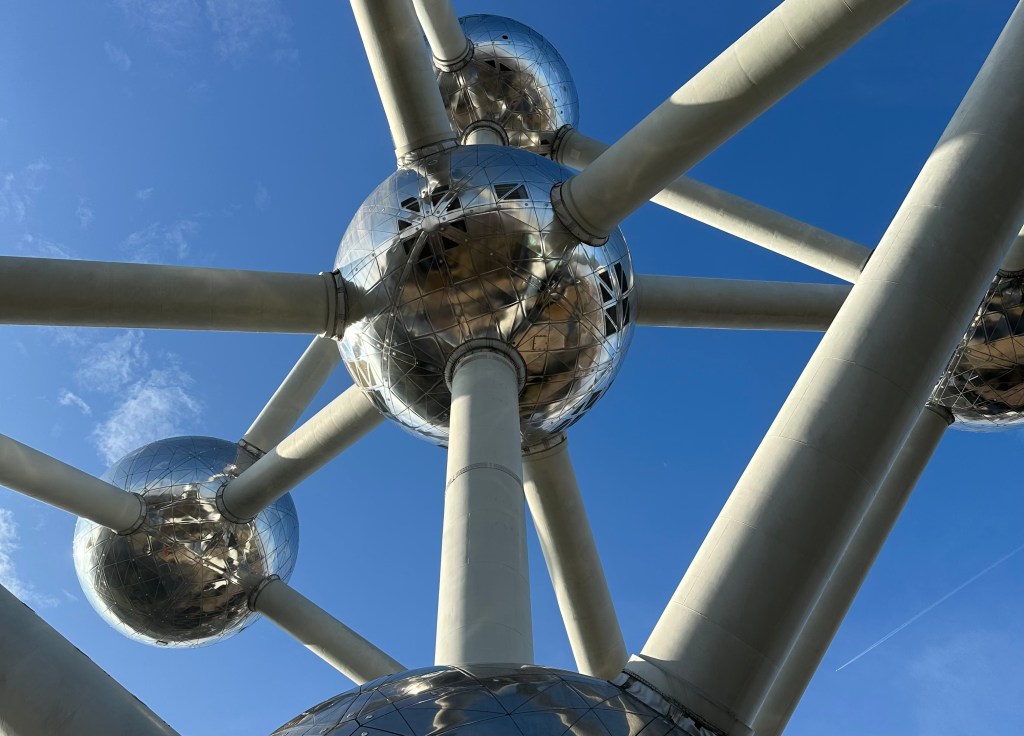
Built for the 1958 world expo, this much-beloved monument depicting the unit cell for an iron crystal draws a year-round crowd. Although the inside isn’t much to look at and is more about the feat of engineering, this site is worth a visit regardless. It’s quirky, it’s grand, and any picture you take will definitely be wallpaper-worthy.
Hopping back on the metro for another double-digit station ride, my lunch plans involved a second visit to the historic centre to two sites I’d overlooked the previous day. The smells of fried potatoes lured me south of the main square to a unique, family-friendly food museum. Singularly focused on the art of the French fry, the Brussels FrietMuseum makes for a fun little detour. There are interactive games to play, displays made to look like traditional friteries, and a free cone of fries with every ticket – a win-win whether you’re looking for a little bite or hoping to entertain the whole family.
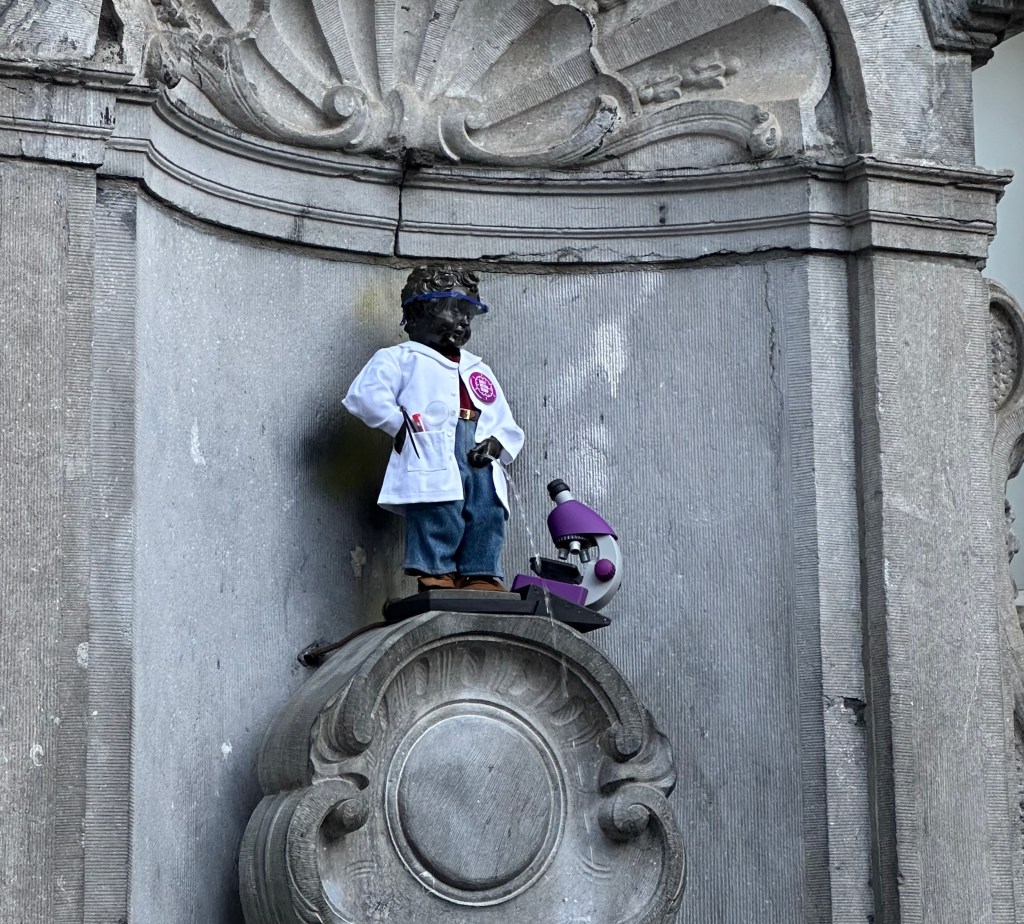
Nearby the museum (just at the end of the street, in fact), is one of the city’s most famous residents, Manneken Pis. An iconic statue of a small boy made in bronze, trying to get a good view, is a suffocating ordeal, as scores of eager tourists fill the narrow, cobbled street to see what costume he’s been dressed up in. Honestly, I didn’t really get the appeal!
As the afternoon closed in, my last stops of the day were in the Mont des Arts district, a short walk away. Raised above the old town, its vantage point makes for some great views across the city. More than its views, however, this part of the capital is world famous for its museums. With its shades of avocado green, ornate art nouveau finishings and giant letters spelling ‘Old England’, the Musical Instrument Museum is the district’s most notable. A paradise for music lovers and historians alike, the museum hosts an impressive display of musical instruments (best experienced with an audio guide) within fascinating surroundings.
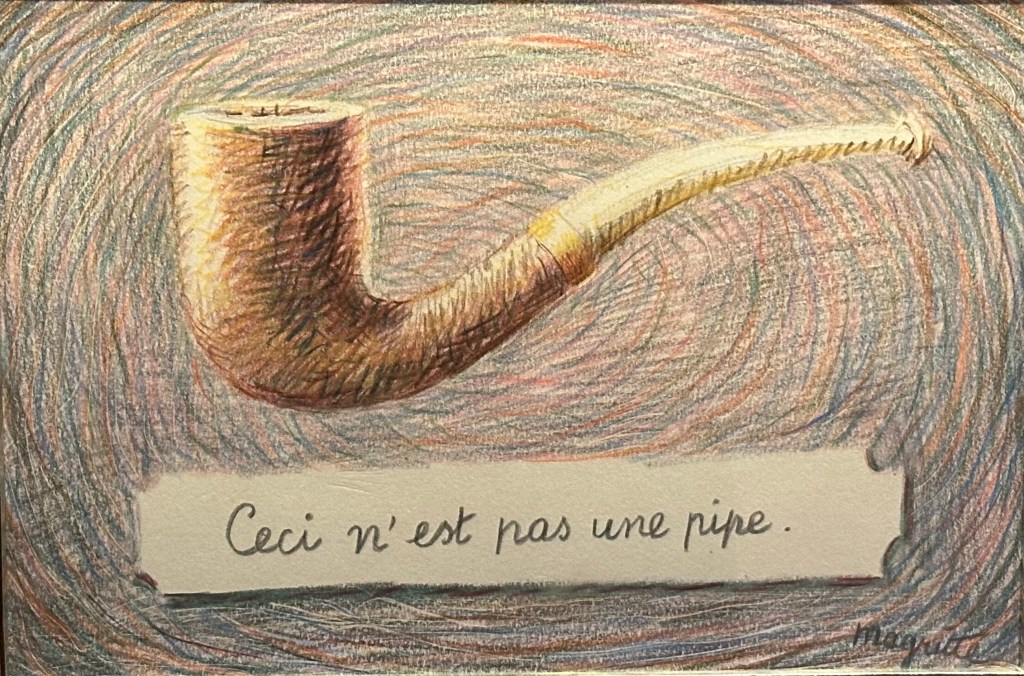
Across the road is the equally interesting Magritte Museum. Dedicated to the life and works of Belgian surrealist René Magritte, his museum in the capital is a small part of the larger fine arts collection. While the artist’s most famous works are on display in other places, the Magritte Museum’s three floors still hold a wealth of interesting exhibits that chronologically detail his evolution into a beloved Belgian artist.
To end my final day in the capital, I decided to check out the dining options closer to my apartment. Though not often considered part of the tourist trail in the city, the restaurants in the area north of the Botanique have a compelling mix of foreign flavours made to suit Belgian tastes. While all of these restaurants had their mouthwatering options, Restaurant La Plume stood out above the rest. A family-run establishment, expect a warm welcome alongside a fine selection of grilled Middle Eastern dishes and Western staples.


 Faceless One Blog
Leave a comment